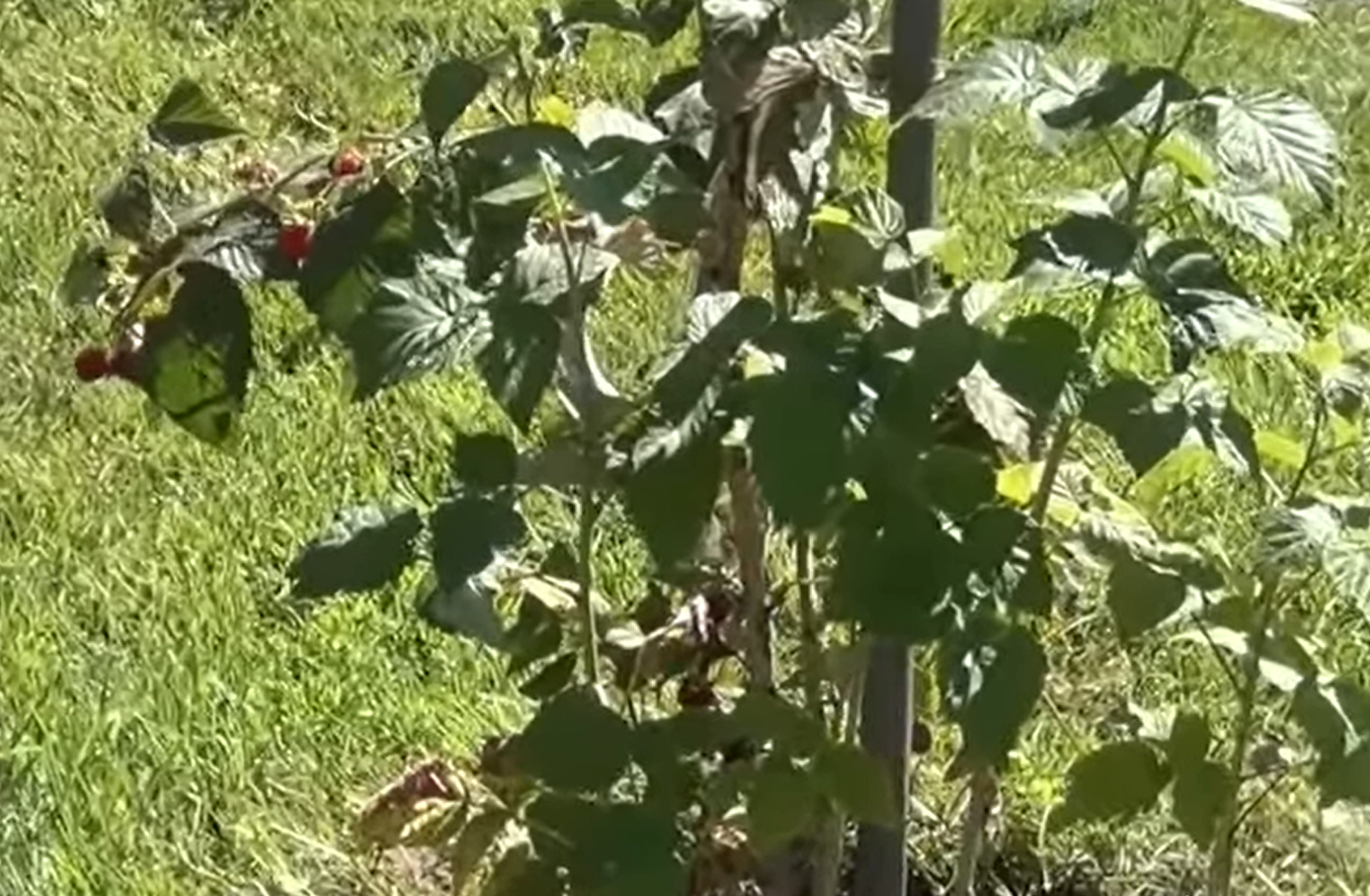
Why proper raspberry pruning ensures a bountiful harvest: recommendations from experienced summer residents
Experienced gardeners claim that growing raspberries is a reasonably straightforward process.
Regular pruning of raspberries is a key condition for their healthy growth. This helps stimulate the formation of new shoots and prevents the occurrence of unwanted fungal diseases.
Many beginners in gardening are hesitant to prune raspberries, fearing that this can damage the bushes and reduce their yield. However, this is wrong. Pruning is necessary for the proper development of plants. According to the advice of one of the Ukrainian gardeners, the best option is to shorten the shoots slightly rather than not pruning them at all.
They should be pruned a few centimeters above the soil surface to prevent blocking access to light and air, which are necessary for plant growth. Only those shoots that have already borne fruit should be pruned.
It is also essential to pay attention to root offspring. New shoots may appear around the main bushes, which are also capable of bearing fruit. If there are too many of them, they can shade the main bushes, leading to a decline in yield. Unnecessary root offspring should be removed – manually or with a shovel.
Remember that raspberries can infect over a considerable distance, so it is essential to check whether new shoots have appeared in the far corners of the garden.
You can also grow new plants from the shoots by transplanting them to a prepared place and shortening them to a height of 20-30 cm. In the spring, they will quickly take root and will bring a crop in the next season.
Do not forget that it is essential to use the correct pruning tools to avoid damaging the underground parts of the plants. It is also recommended to use gloves, as raspberries have sharp thorns that can cause pain or injure your hands.
Recall that using protection from light, pests, and weeds will help grow a quality potato crop. Previously, we also shared secrets for strengthening seedlings.