Pope calls for joint Easter celebration: ”Our unity is stronger”
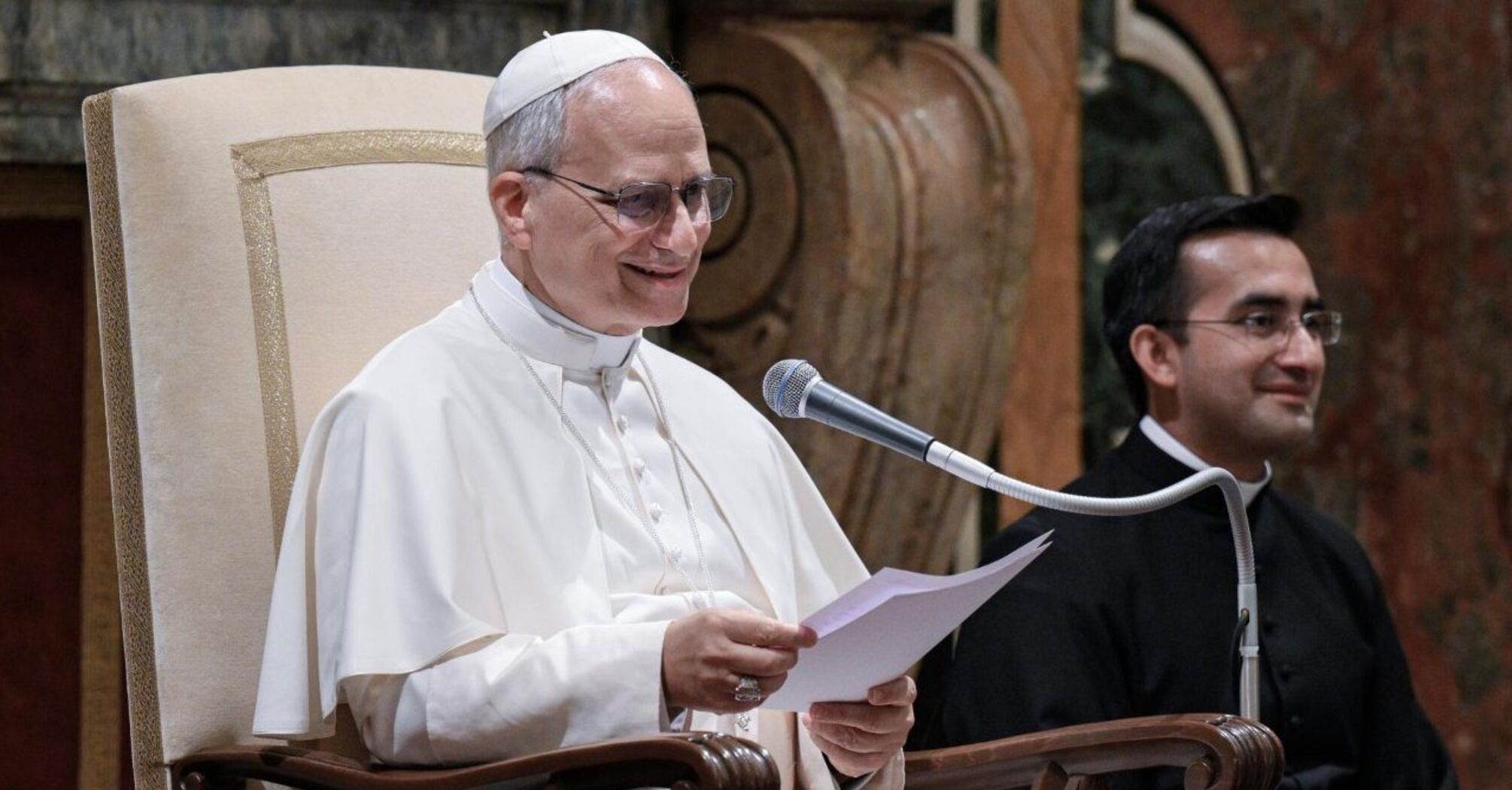
During a symposium in Rome, Pope Leo XIV expressed the Catholic Church’s readiness to cooperate in determining a common date for the celebration of Easter while calling for unity among Christians.
The Pope declared the Catholic Church’s openness to finding a single day for the celebration of Easter. This information was published by Vatican News, referring to his speech during an event dedicated to the 1700th anniversary of the First Council of Nicaea, which was held at the Pontifical University of Saint Thomas Aquinas from June 4 to 7.
The Pope emphasized that the Council of Nicaea is not only a significant event of the past but also a reference point for the future unity of Christians. He recalled that one of the primary goals of the Council in 325 was to establish a uniform date for the celebration of Easter.
Leo XIV emphasized that true unity is achieved not only by human efforts but is “a gift of the Holy Spirit, an answer to the prayers of Christ.” The Pope believes that a familiar recitation of the Nicene Creed will help overcome theological differences and that a shared celebration of Easter will foster deeper communion.
In his speech, he also noted that “what unites us is much stronger than what divides us.” This refers to the common faith of Catholics and Orthodox in the Triune God, Jesus Christ as the Savior, in whom the hope of eternal life is placed.
Among the topics of the symposium was the question of the date of the Easter celebration. The Pope noted that the existing differences in calendars create pastoral difficulties, tear families apart, and weaken Christian witness. He confirmed the Catholic Church’s readiness for changes that would allow us to celebrate the “holiday of holidays” together.
Pope Leo XIV concluded his speech with words of hope, saying: “If we celebrate the Nicene Creed together, we can move towards full communion.”
Why is Easter celebrated on different dates?
The difference in the dates of the Easter celebration between Western and Eastern Christians is due to the use of different calendars and calculation formulas. As the religious scholar explained, the Catholic Church uses the Gregorian calendar, where the vernal equinox falls on March 21. At the same time, Orthodox churches adhere to the Julian or Neo-Julian calendar, where this equinox is shifted to April 3. From this date, the calculation of the first full moon begins, from which the nearest Sunday is chosen, which in turn determines the date of Easter. As a result, Orthodox Easter is often celebrated later than Western Easter.