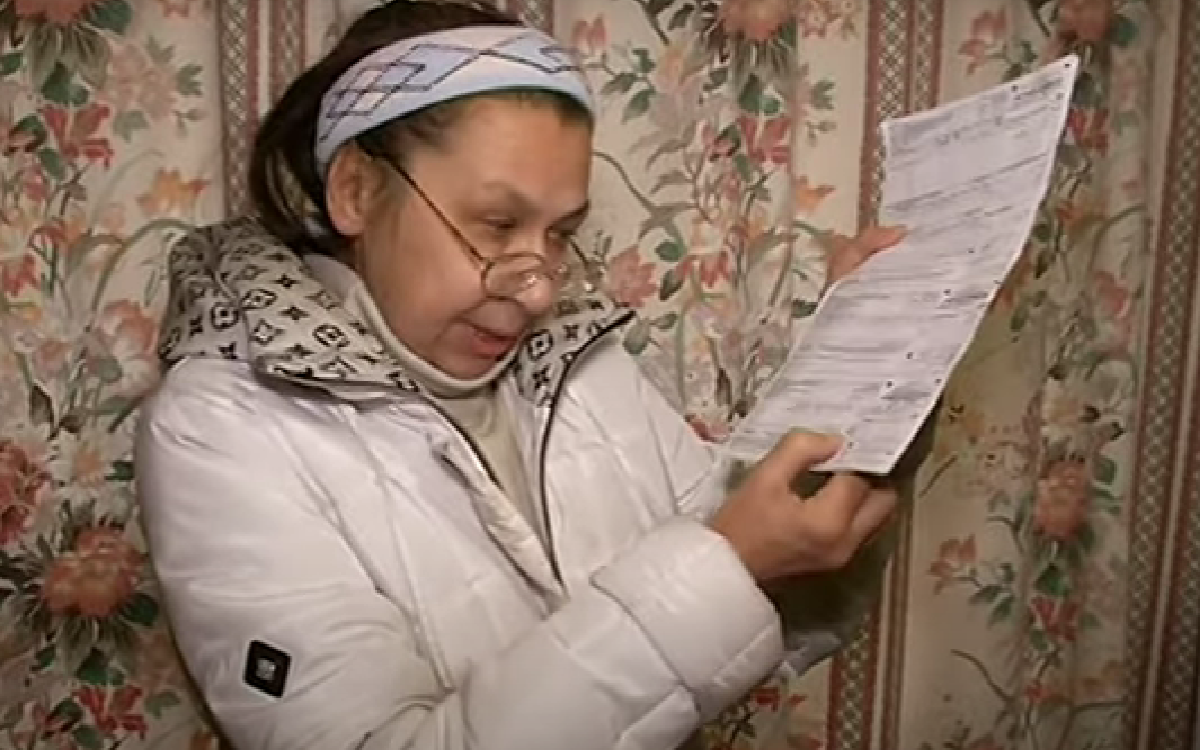
Winter bills will be shocking: Kyivteploenergo warns all consumers
Many Ukrainians may be shocked by the amounts of their winter bills. Although tariffs remain the same, utility costs may increase.
Representatives of Kyivteploenergo KP reported that these increases are not related to changes in the cost of services, but arise due to technical aspects. Consumers who do not check their apartment meters for heat and hot water may receive bills based on average consumption rates, rather than actual data.
Prepare your meters for winter.
Kyivteploenergo KP strongly recommends checking all expired meters before the start of the heating season. Without this check, consumption will be charged according to methods that often result in significantly higher costs.
For the convenience of Kyiv residents, a hotline is available at (044) 207-88-88. Here you can get advice, as well as order a meter unsealing and resealing service. The results of the check are automatically entered into the database, so consumers do not need to worry about transferring documents.
When to carry out verification
According to the Ukrainian legislation “On Metrology and Metrological Activities”, meter owners are required to undergo verification approximately once every 3-4 years. This applies not only to thermal energy and hot water meters, but also to cold water meters.
Regular verification will help avoid unforeseen expenses in payments and will allow you to pay only for services actually consumed.
Earlier, it was reported about a reduction in heating tariffs for some consumers, as well as about a decrease in the price of gas in Ukraine; specific categories of consumers may benefit. In addition, a possible increase in winter tariffs for utility services was discussed.