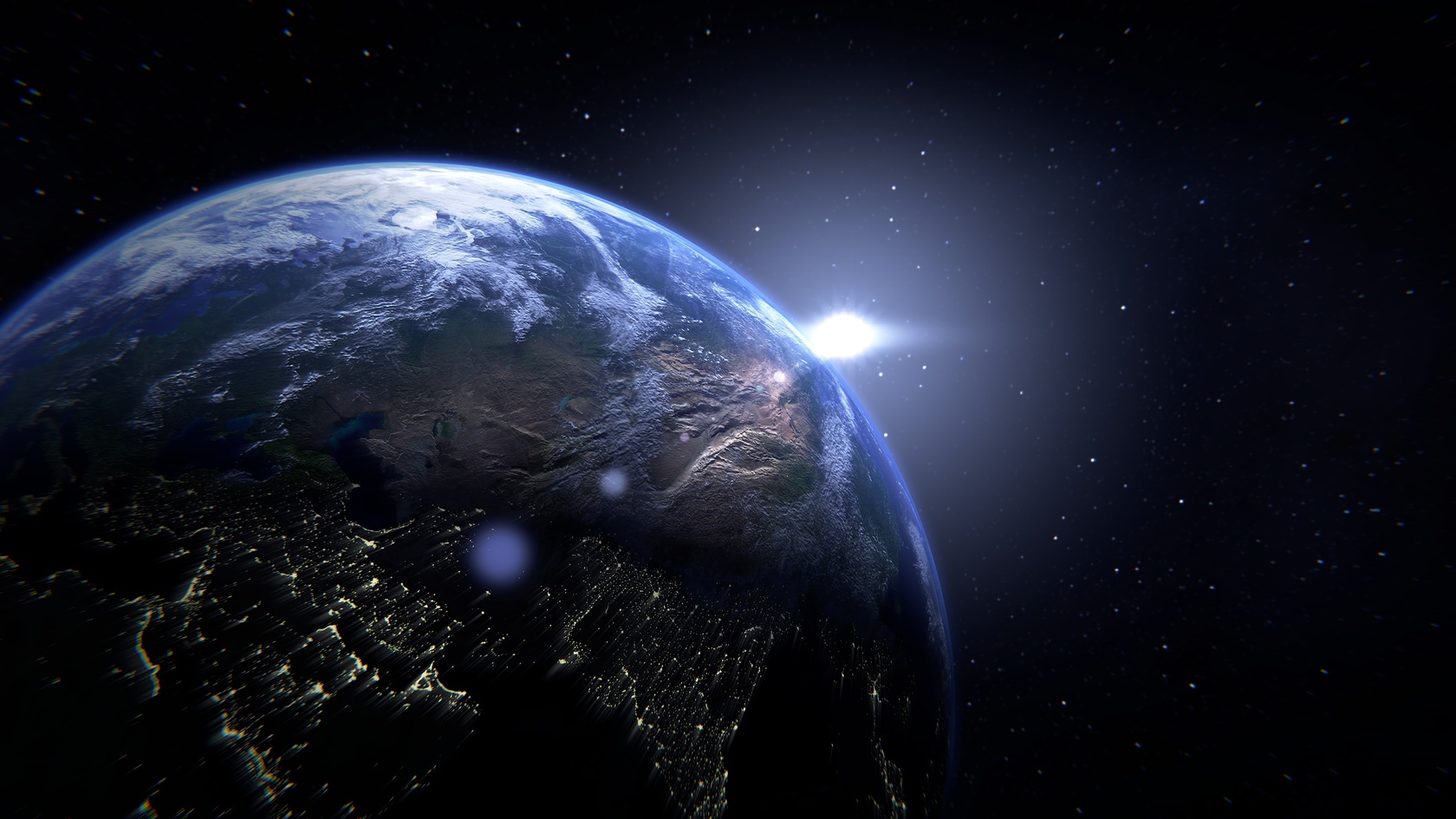
Scientists warn of sharp darkening of the Earth and its threat to humanity
Scientists have recorded an interesting phenomenon: over the past twenty years, our planet has begun to reflect less sunlight, which can significantly affect the overall climate. This information was published in a study conducted by a team of NASA specialists under the leadership of Norman Loeb.
The study, based on satellite data, found that Earth’s albedo — an indicator of its reflectivity — is steadily decreasing. Changes in the distribution of solar energy between the northern and southern hemispheres of our planet were recorded.
Scientists indicate that this trend confirms previous predictions and suggests that atmospheric processes are no longer able to compensate for the existing imbalance. They also add that these findings can improve current climate models.
According to the data obtained, from 2001 to 2024, the Earth began to reflect significantly less solar radiation into space, with the greatest changes observed in the Northern Hemisphere. There, sea ice and snow cover, which generally reflect a lot of solar energy, are melting. At the same time, the Southern Hemisphere is receiving more heat, which exacerbates the overall imbalance.
Scientists note that even a slight decrease in albedo has long-term consequences. A difference of just 0.34 watts per square meter each year may seem small, but it adds up and has a significant impact on the climate.
Researchers focus on the Arctic, where reductions in sea ice and snow expose dark surfaces — such as water and rock — that actively absorb solar heat. This causes the ice to melt faster, creating a cycle: the less ice there is, the more heat the surface absorbs.
Scientists warn that even a slight decrease in Earth’s reflectivity could accelerate climate change. This could intensify global warming, especially in the northern regions, and increase the frequency of extreme weather events.