Ukrainian quadcopters have become a means of combating Russian drones
About a year ago, at the beginning of a full-scale invasion of Ukraine, it was decided to use modified quadcopters that deliberately crash into Russian reconnaissance and strike drones. At first, the military was skeptical about the possibility of maneuvering such drones in air combat. However, over time, this strategy has become a critical line of defense.
Business Insider examined the Ukrainian military’s experience with this innovation.
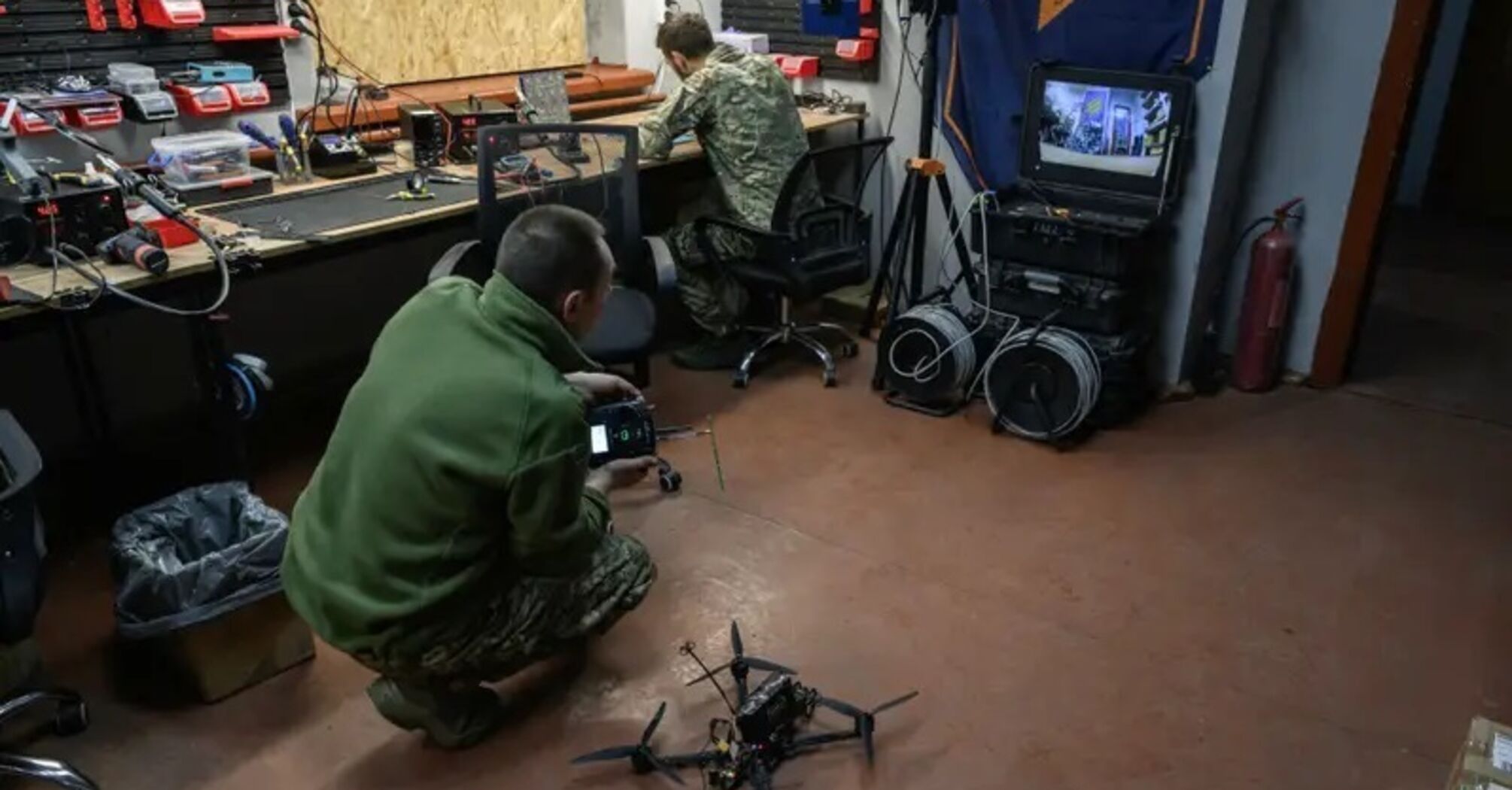
Units, volunteers, and private companies have proven the effectiveness of “hit-to-kill” interceptors: in one recent case, they shot down about 150 strike drones. Ukraine is already working to increase the production of such devices to 1,000 units per day.
This innovation was a response to new challenges. When Russia began massive attacks using Iranian Shahed drones, the price of one of which is from 20 thousand to 70 thousand dollars, traditional means, including missiles, became scarce. This has prompted the development of low-cost quadcopters that act as interceptors.
The Dronefall program, supported by the Come Back Alive Foundation, works with numerous manufacturers and reports that more than 3,000 aircraft have been destroyed. According to the program manager, Taras Tymochko, it took about a year to develop an effective interceptor, after which it was put into operation.
Interceptor designs are rapidly improving: from simple quadcopters to specialized models like the Wild Hornets Sting, which are equipped with warheads. These small interceptors can reach speeds of up to 213 miles per hour and have already destroyed more than 400 targets, each costing about $2,500, while the average cost of other interceptors in Ukraine is up to $6,000.
The effectiveness of these devices varies, with data showing accuracy rates of 30% to 90%, depending on several factors. However, there has been a shortage of qualified operators. Of the 5,200 students at the Drone Fight Club school, only a few dozen have completed interceptor pilot training, yielding a 30% success rate.
Interceptors not only save resources on expensive missiles, but also allow high-value air defense systems to be kept for more serious threats. For example, a single air defense missile can cost around $1 million, while interceptors cost a few thousand dollars.
NATO and allies are responding quickly to these challenges: Admiral Pierre Vandieu of the alliance has pointed to the prospect of “hit-to-kill” as a new strategy to combat mass drone attacks. The UK has announced plans to develop and supply thousands of low-cost interceptors to Ukraine, and has conducted trials of Sting systems in Denmark to improve allies’ defenses.
But the threat continues to evolve. The Kremlin is already using fast-moving Geran-3 jets that can reach speeds of around 310 mph, putting new demands on the interceptors’ maneuverability and protection against jamming. Ukrainian engineers are working to address these new challenges, although details remain confidential.
In the near term, interceptors will play an essential role in a multi-layered air defense system: they are inexpensive, scalable, and can quickly adapt to new threats. The mass deployment of such systems in Ukraine has already sparked interest from international partners and could influence the modernization of counter-drone capabilities in Europe.
Meanwhile, a recent investigation found that 110,000 drones have not reached the front. This issue warrants attention, as it may indicate the presence of corruption schemes.