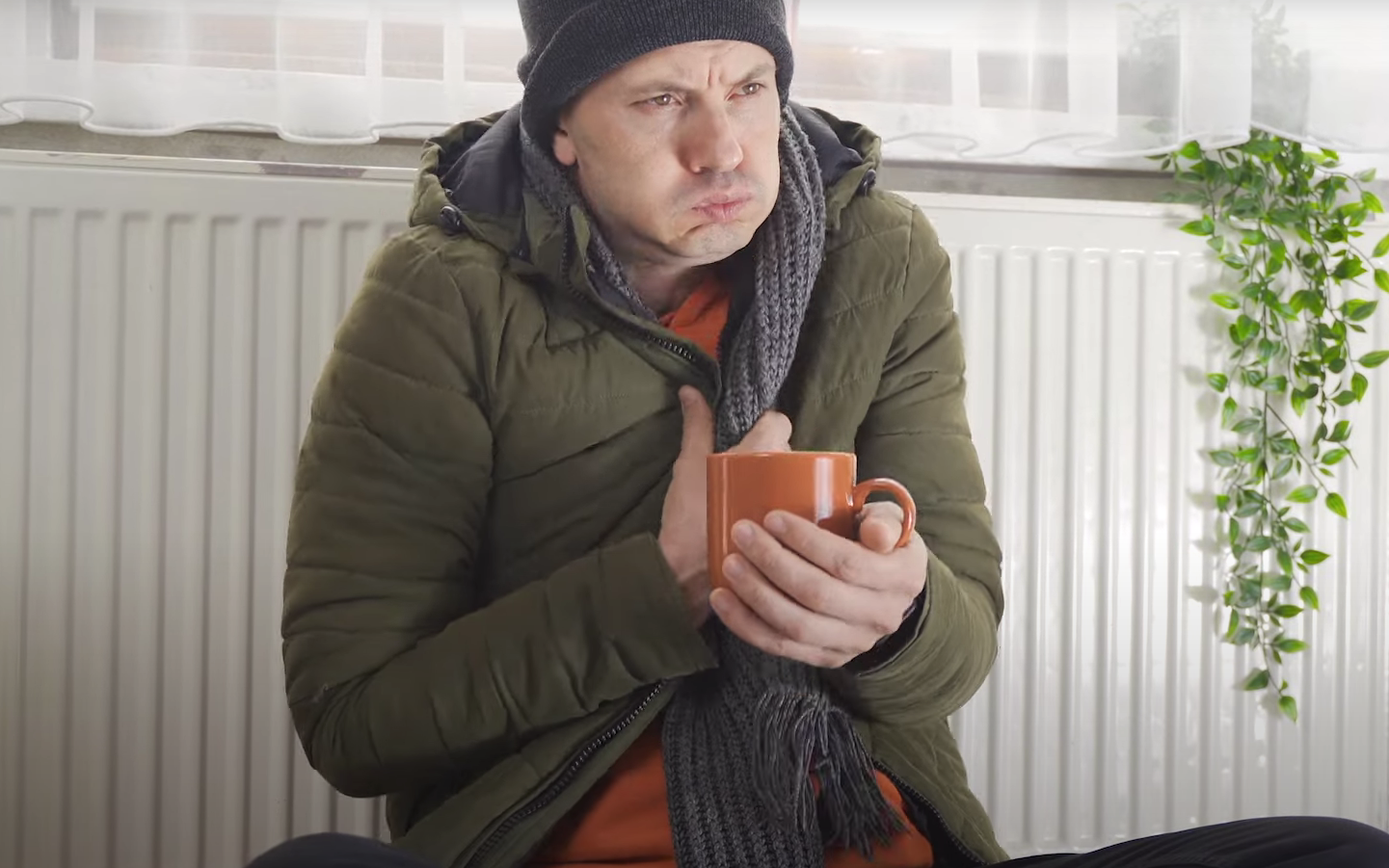
When the heating is turned off in the house: what temperature is dangerous and how to warm up properly
Many Ukrainians were left without heating and were forced to look for ways to keep warm. However, some methods that seem safe can pose a significant health risk, and sometimes even lead to tragic consequences. Security expert Denys Mykhalchenko shared tips on how to act to avoid harming yourself and your loved ones.
According to the expert, there is a certain temperature at which staying indoors becomes dangerous. If the temperature in your apartment or house drops to +14 degrees, this is a signal to take action. “This is a dangerous temperature that requires active steps. It is best to find the nearest heating point or contact friends to avoid hypothermia,” Mykhalchenko noted. Particular attention should be paid to families with children, as they lose heat faster.
It is also important to consider heating recommendations, as some methods can be risky. For example, many people try to warm themselves by turning on a gas oven or stove. “The oven is a dangerous option for heating,” the expert emphasized. The reason is that open fires consume oxygen, and insufficient ventilation in most apartments poses a serious risk of poisoning.
However, trying to keep warm by closing the ventilation holes is another common mistake. Mikhalchenko notes that ventilation is necessary for the flow of fresh air, without which the body cannot function normally, and a cold room becomes even more dangerous.
There is no need to have illusions about the benefits of alcohol in the cold. Many people drink alcohol, believing that it will help warm up, but this only creates a false feeling of warmth. “Alcohol does not warm. It dilates blood vessels, leading the body to lose heat. Moreover, alcohol reduces the instincts of self-preservation,” Mikhalchenko explained.
To avoid hypothermia, the expert recommends engaging in light physical activity to raise body temperature. However, it is important not to exceed the limit, as sweat can cool quickly, increasing the risk of hypothermia.