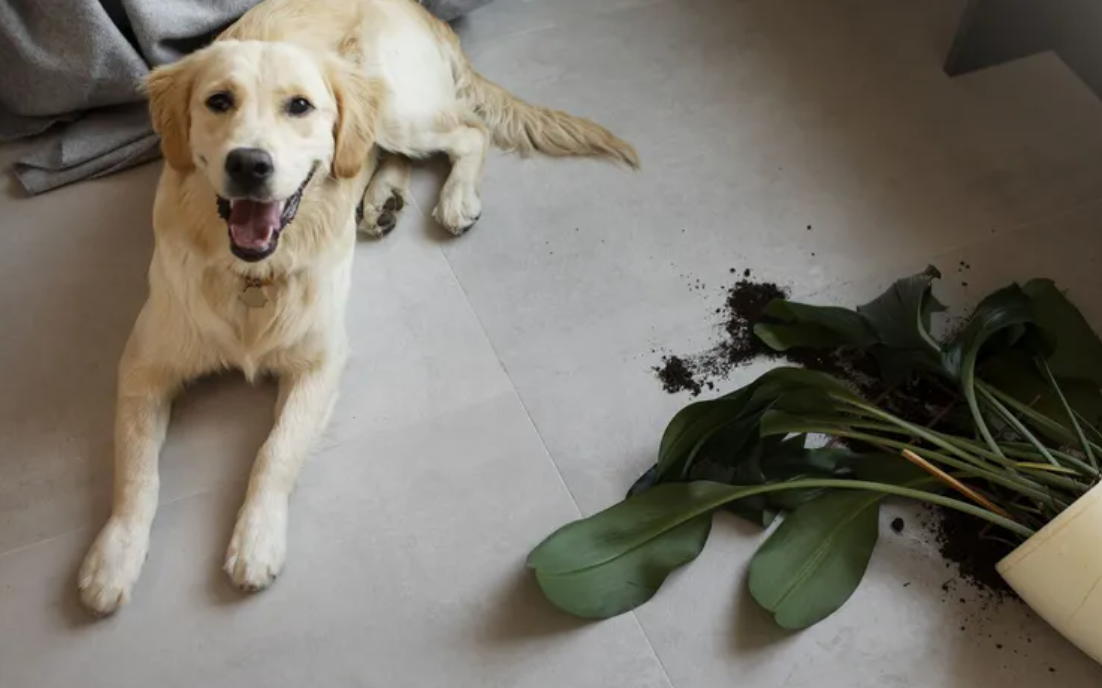
Popular houseplants may be toxic to dogs
Experts warn that some popular houseplants can be dangerous for dogs. It is important to control that animals do not chew on them or eat them. This was reported in data published by Express.
According to Alice Ralph, a clinical specialist in animal behavior and nutritionist, the danger does not lie solely in the plant itself, but also in fallen leaves, sap, and contaminated soil that dogs may encounter during walks or while exploring the home environment.
She notes: “Many owners believe that if a dog does not chew on a plant, then there is no risk. However, poisoning can occur through licking the sap, swallowing fallen leaves, or even digging in the soil, where toxins can accumulate.”
Among the most dangerous houseplants for dogs stand out:
1. Lilies – extremely toxic; their consumption can lead to serious poisoning. Pollen can be on the fur, and the dog, licking itself, can inadvertently swallow it.
2. Aloe vera – the white sap of the plant can cause vomiting, diarrhea, and general lethargy.
3. Ivy – toxic substances are found in both the leaves and berries.
4. Lilies of the world – can irritate the oral cavity and digestion.
5. Sansevieria (snake tongue) – has moderate toxicity, which can cause drooling, vomiting, and apathy.
Signs of plant poisoning can be subtle and easily go unnoticed due to minor digestive disorders. The first symptoms include drooling, vomiting, diarrhea, lethargy, or decreased appetite.
To reduce risks, experts recommend:
– Keep toxic plants out of reach.
– Remove fallen leaves promptly.
– Avoid planting plants at ground level, especially if you have puppies or active dogs at home.
Following these recommendations will help ensure your pets’ health and prevent accidental poisoning.