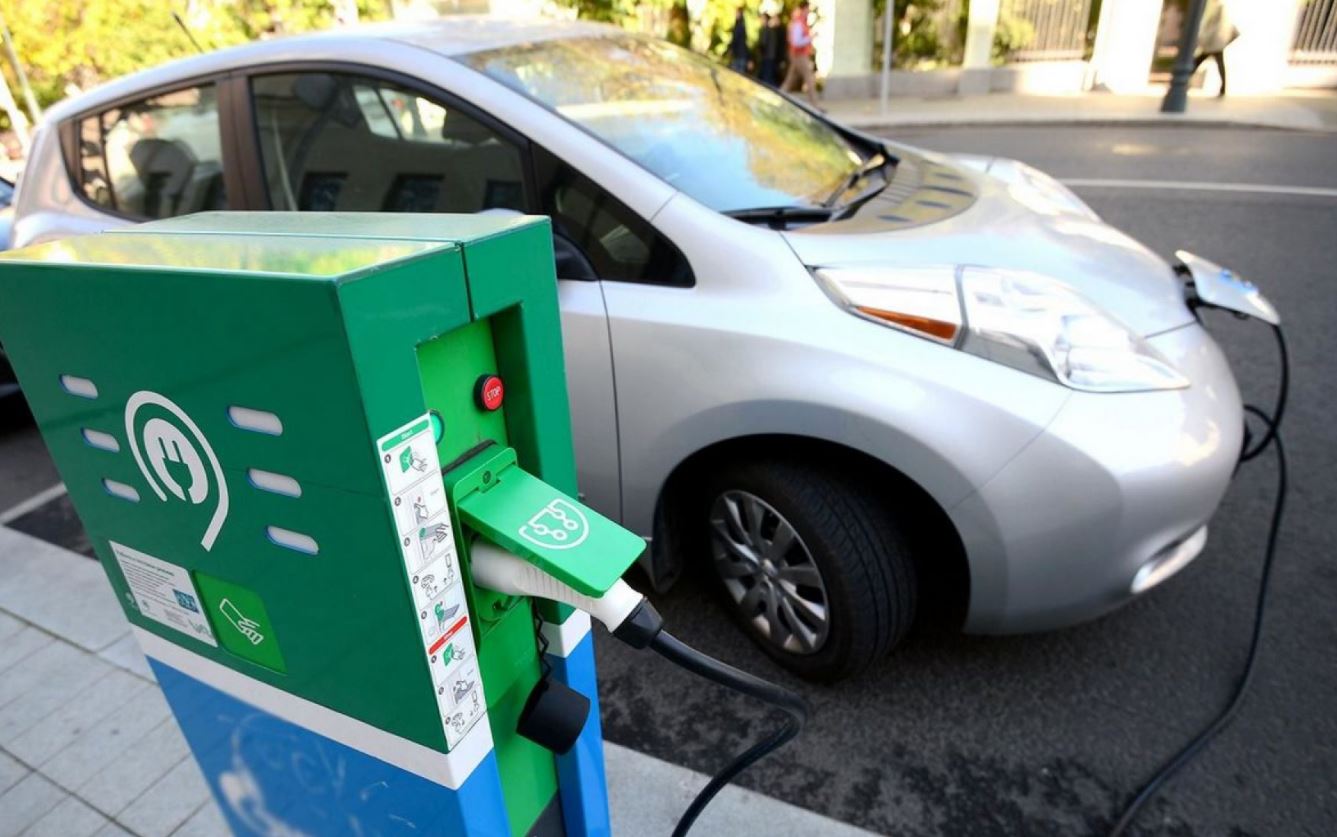
Electric cars could be a problem: owners warned about possible complications
In the face of constantly rising fuel prices, Ukrainians are increasingly considering the possibility of switching to electric vehicles. Although this looks attractive from the point of view of saving on charging, buying an electric car in the face of the unpredictability of the country’s energy system may be associated with financial risks and serious infrastructure problems.
Oleg Popenko, head of the Union of Consumers of Public Utilities of Ukraine, raised a number of important issues in the PolitExpert program and urged potential buyers to weigh all the pros and cons. In particular, the expert noted that, in addition to technical problems, one should be prepared for possible changes in state policy that could significantly affect the financial aspects of using electric vehicles.
Popenko warned that long-term savings from operating electric vehicles may not be so obvious. There is a possibility that the state will look for ways to compensate for the shortfall in funds due to rising fuel prices, for example, by increasing electricity tariffs or introducing additional taxes on electric car owners. He cited the example of recent discussions in the Verkhovna Rada on the possible introduction of additional fees.
The expert also drew attention to a possible increase in electricity tariffs. The current cost of 1 kilowatt, which is 4.32 hryvnias, may increase to 5.5 hryvnias this year, and over the next few years to 7.5-8 hryvnias.
Another problem remains the infrastructure for electric car owners. As Popenko noted, electric cars are best suited for short trips of up to 100-200 km per day, especially if the owner has the opportunity to charge the car at home. However, the situation changes on long routes.
The expert cited the example of a trip across the country: a trip that takes half a day in a diesel car can turn into a three-day trip due to busy charging stations, incompatibility of connector standards, and a lengthy charging process. If a regular refueling takes about half an hour, then charging the battery can take 7-8 hours.
Popenko drew particular attention to the problems of residents of apartment buildings, who often use uncertified charging methods. This can lead not only to damage to the electrical network in the apartments, but also to serious problems in the entire building.
Although the possible increase in electricity tariffs is worrying, Popenko acknowledged that, taking into account the current high fuel prices, the use of electric vehicles at this stage remains economically viable.