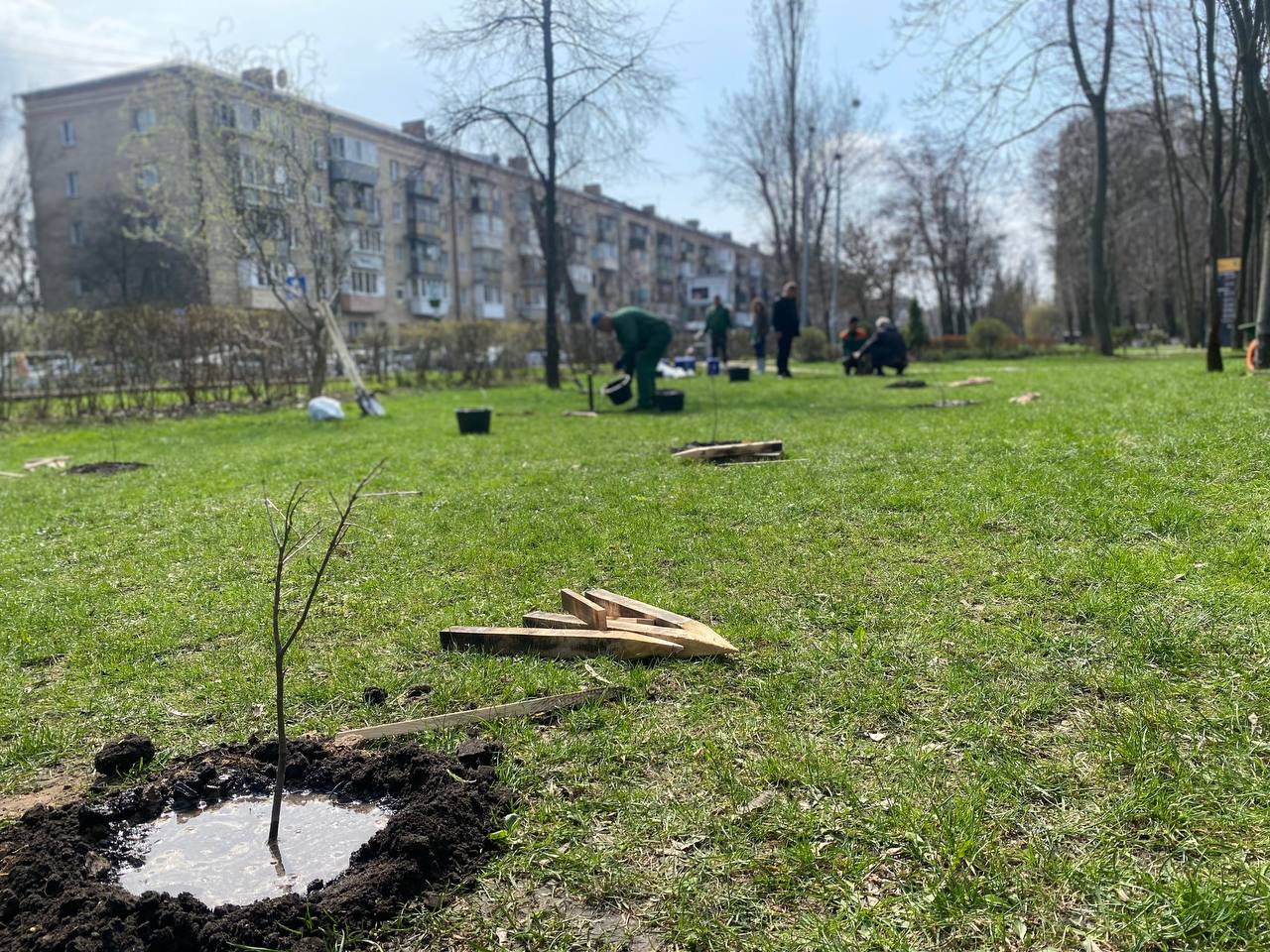
What to do to protect seedlings from frost
Natural conditions in April can present an unpleasant surprise in the form of night frosts. It is worth taking measures in advance to ensure that your plants remain intact.
A sharp drop in temperature, even a few degrees below zero, can significantly damage young shoots, flowers, and trees. However, there are several simple ways to help protect the crop.
One of the most effective methods is mulching. Dry leaves, straw, peat, or sawdust create a reliable insulating layer that protects plant roots from cold air. This is especially important for young seedlings and perennials. It is also recommended to moisten the soil well before the expected frosts because moist soil loses heat more slowly, allowing plants to survive the night more easily.
Additionally, you can cover the plants with agro fiber, film, plastic caps, or even old sheets. Remember to remove the shelter in the morning when the temperature rises so the plants do not “suffocate” and overheat.
Another helpful method is fumigation. Suppose you spread moistened leaves or branches in the garden or vegetable garden and set them on fire. In that case, the smoke will form a thermal cushion that will increase the temperature close to the ground and prevent the cold from quickly penetrating the plants. At the same time, you should be careful when dealing with fire.
These measures are simple but very effective. Therefore, if you want to preserve your flowers and harvest, you should prepare in advance for nature’s spring whims.
We remind you that earlier we noted that trees can be planted now. What nuances should be taken into account in the cold season so that the seedling takes root well? In February, the first buds will appear. Read on our website about how to properly carry out currant cuttings in November. We will also consider advice from experts on growing an apple tree from seeds.