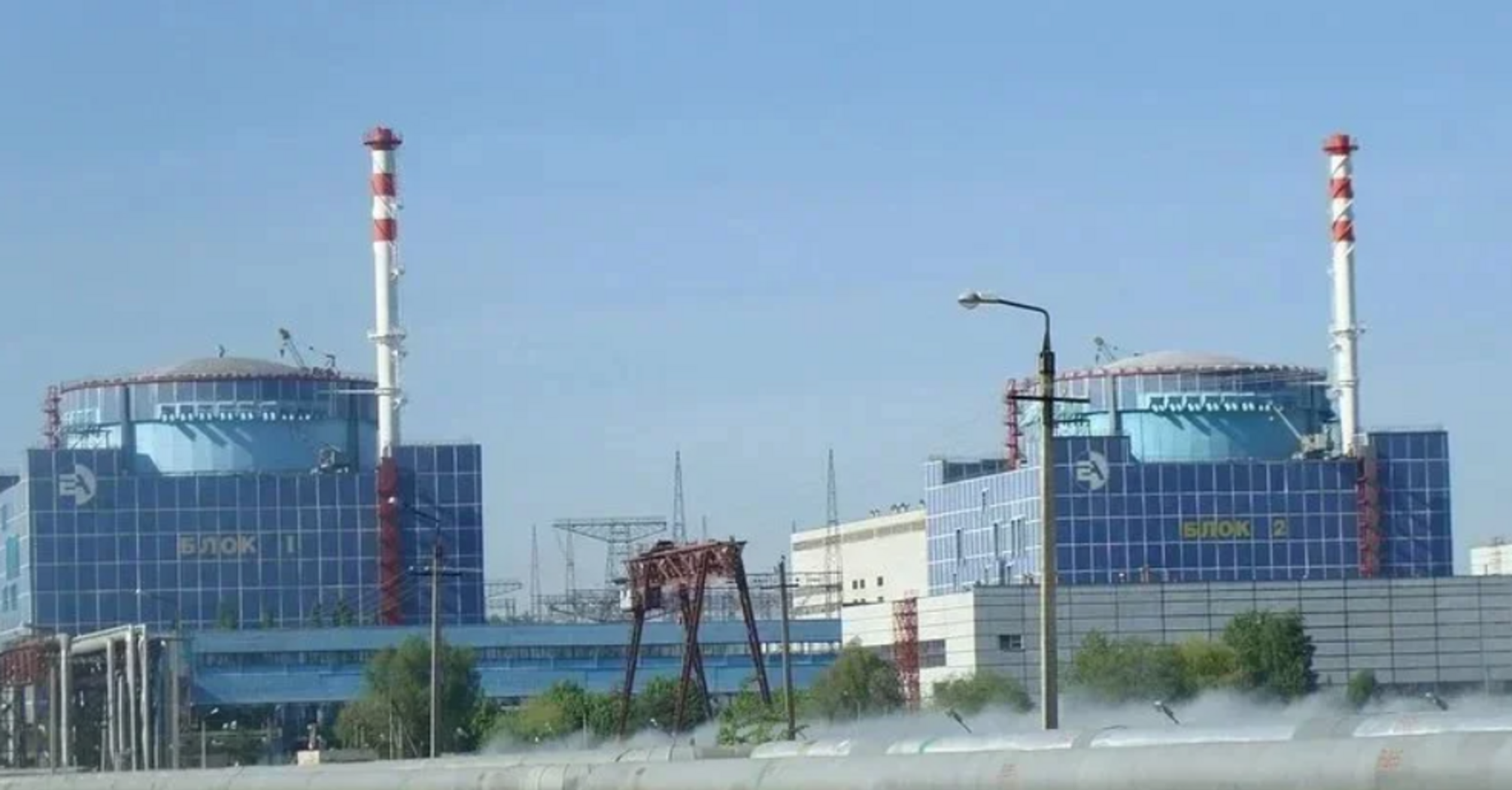
It’s official: Bulgaria’s government has decided not to transfer reactors for Khmelnytsky NPP to Ukraine
Bulgarian Deputy Prime Minister Atanas Zafirov has refused to sell two VVER-1000 nuclear reactors to Ukraine. The reactors were planned to complete power units 3 and 4 of the Khmelnytsky NPP.
According to the national news agency BTA, the decision was made after consultations with the Joint Management Council and GERB party leader Boyko Borisov. In his comments to journalists, Zafirov emphasized that this is “a critical strategic choice.”
The Bulgarian government considers these reactors a strategic asset necessary to ensure the country’s energy independence, so it decided to keep them in state ownership.
In February 2025, Ukrainian Energy Minister Herman Halushchenko expressed concern about the deal’s possible failure due to the opposition of some Bulgarian politicians who opposed the sale. At the same time, a draft resolution was registered in the Bulgarian parliament that provided for the reactors’ cancellation of the export permit.
Negotiations between the parties were also delayed by Bulgaria’s intention to revise the deal’s cost, which could have increased from $600 million to almost $700 million, as noted by MP Andriy Zhupanin on April 14. Energoatom CEO Petro Kotin clarified that the agreement is still being discussed, and it concerns not only the price but also the terms of supply and financing.
Details: In 2023, Ukraine announced its intention to purchase these reactors for the Khmelnytsky NPP, estimating a possible increase in capacity of up to 2200 MW in the Ukrainian power system. In April 2024, the Ukrainian government passed a bill to complete the units, but it was criticized for not consulting with the EU. The EU Ambassador to Ukraine, Katarina Mathernova, said that the European Union would not support a project developed without their participation.
In July 2024, Verkhovna Rada’s anti-corruption department identified possible corruption risks in the draft law. In February 2025, IAEA Director General Rafael Grossi supported the strategy to complete the nuclear units.