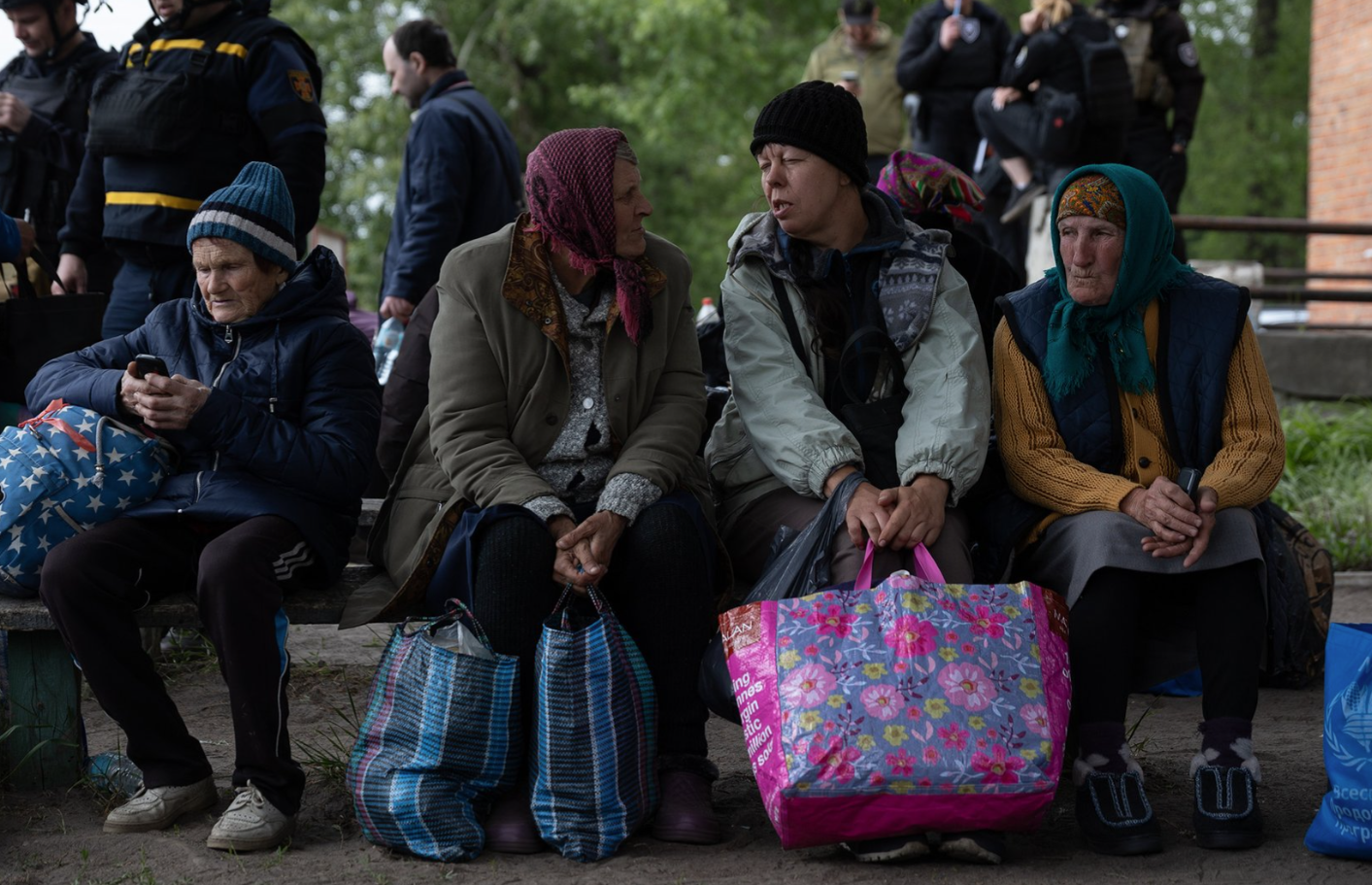
Displaced people are entitled to subsidies but do not use this opportunity
Since the end of January, a new mechanism has been launched in Ukraine, which thousands of internally displaced persons have been hoping for: housing rental subsidies. This assistance is provided to families whose rental costs exceed 20% of their income. This can be very useful, especially for paying 10-15 thousand hryvnias for housing in Lviv or Ivano-Frankivsk for two years.
However, the reality turned out to be less optimistic: only five applications were received in the Lviv region, where more than 200,000 internally displaced persons live. Experts are discussing the reasons for this phenomenon.
First, an official rental agreement must be concluded to receive a subsidy. However, most homeowners do not show a desire to draw up such documents since this is associated with taxation and obligations to tax authorities. As a result, many have to rent housing without any written agreements, which excludes the possibility of receiving a subsidy.
Secondly, the IDP Support Center notes that the problem lies in homeowners’ lack of awareness of the program and fear of drawing up official contracts due to their obligation to pay taxes.
Experts believe that if landlords were more active in concluding these contracts, IDPs would apply for subsidies less often. For example, the cost of rent in Lviv reaches 13-14 thousand hryvnias per month, excluding utilities.
Another difficulty is that people receiving state financial assistance cannot apply for a rental subsidy. This also limits the number of applications.
It is essential to inform landlords that part of the taxes is compensated when applying for subsidies to improve the situation. Additionally, contracts should be developed to protect the interests of both tenants and landlords. This will help resolve possible disputes.
Signing the contract is not complicated – download the template from the Pension Fund website and sign it. A notary or realtor is required to participate.
Despite all the difficulties, experts assure that the program of subsidies for renting housing for displaced persons is not planned to be closed. In the future, more flexible conditions may be considered, for example, allowing only part of the housing to be rented.
Attention should also be focused on the need to inform not only displaced persons but also apartment owners about the available opportunities. Currently, the assistance mechanism exists, but only a few can use it.
Let us recall that social payments may lead to the need to return the funds received, and the state is already taking measures in this direction.