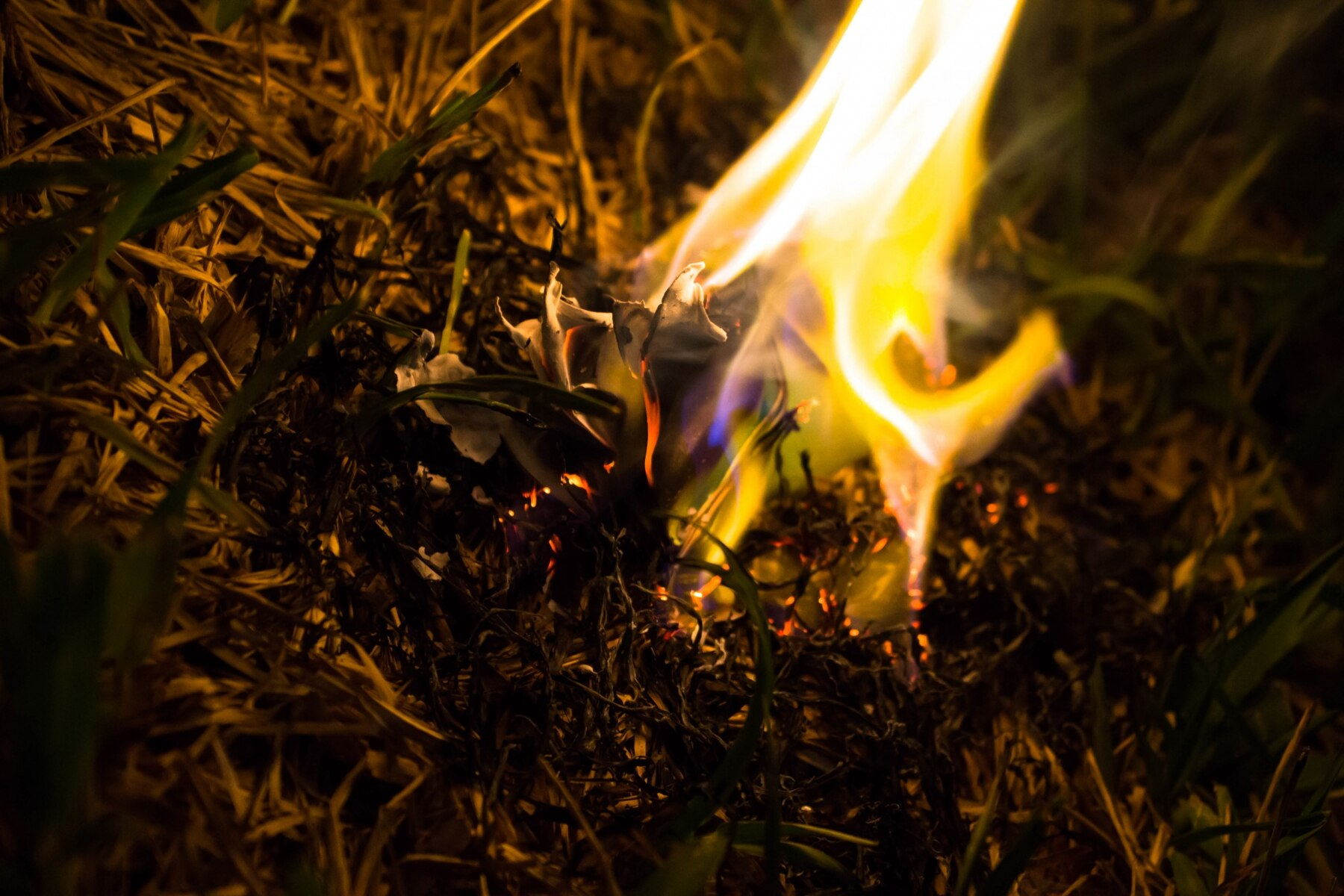
The State Environmental Inspectorate urged people to refrain from burning dry grass – protect nature and your health
Why is this issue important, and what alternatives to arson exist?
Why should you refrain from burning dry vegetation?
The State Ecological Inspectorate reports that burning grass, leaves, or other dry plants harms nature and human health.
During burning, toxins such as carbon monoxide, carcinogens, and dioxins are released into the air, polluting the atmosphere and causing serious health problems, including respiratory problems.
In addition, the burning process has the following negative consequences:
Destruction of the fertile top layer of soil;
The death of small animals and insects disrupts the natural ecosystem.
There is a risk of fire spreading to forests, summer cottages, and residential buildings, which can pose a threat to human life.
Every year, numerous large fires resulting from the arson of dry vegetation are recorded in Ukraine.
Alternatives to burning
Environmentalists emphasize simple and safe ways to dispose of plant residues:
Use dry grass to create compost or mulch in the garden.
Take plant waste to specially designated places for disposal.
These actions will help preserve natural resources and avoid fines and the risk of fires.
How to join the environmental campaign
The State Environmental Inspectorate calls on communities, educational institutions, and local authorities to actively conduct educational work among the population. Everyone can get involved: tell others about the damage caused by arson and offer safe alternatives.
If you witness grass or leaves being burned, report it to the relevant authorities or the police.
“Setting fire to dry vegetation is not just harm to nature, it is also a real threat to people’s lives and health,” the inspectorate emphasizes.
Each of us can contribute to preserving nature. We should abandon arson, explain to others their harm, and remember that true responsibility begins with simple actions.