Babies’ first smile: why it may not be the best sign
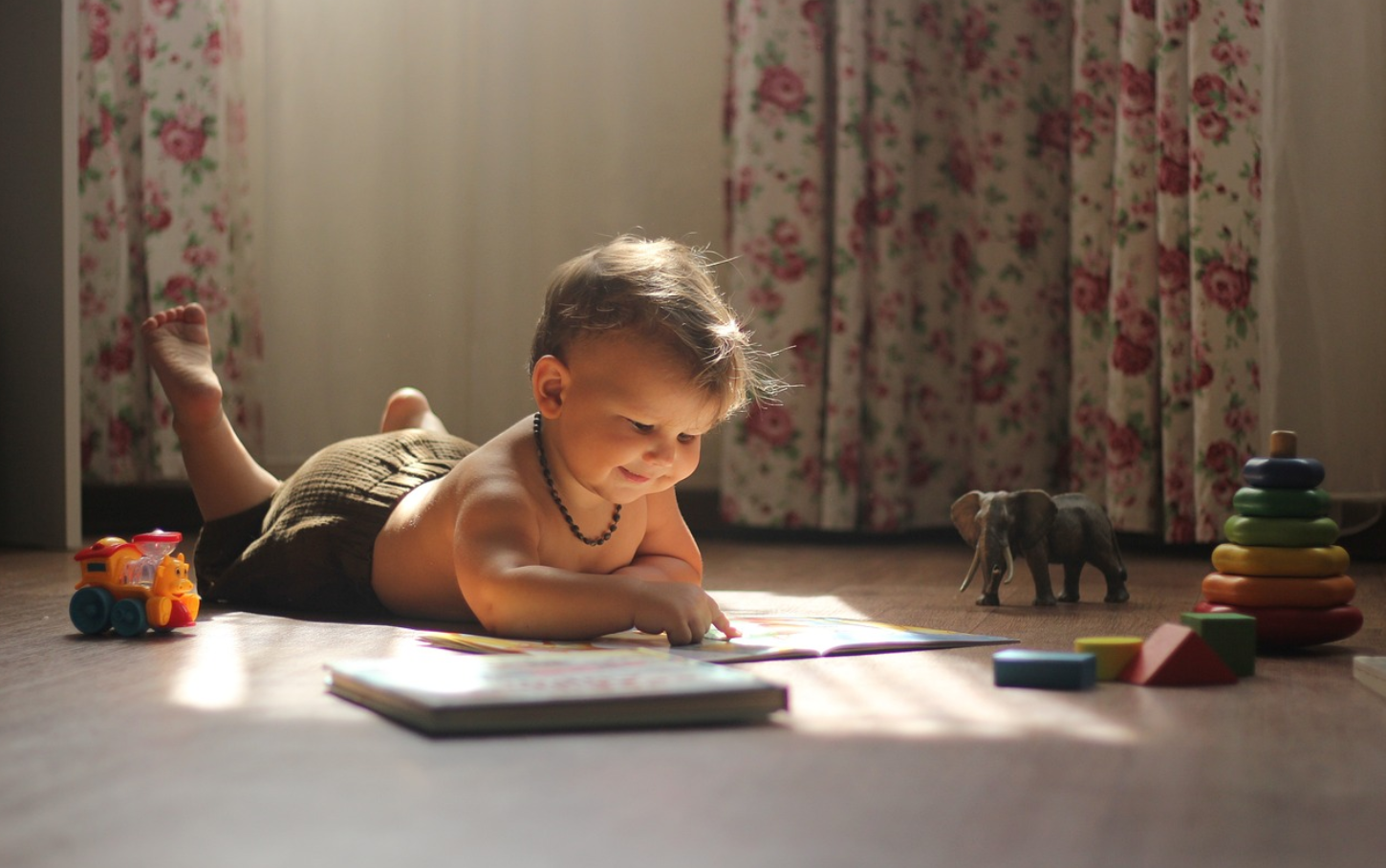
Babies’ first smiles are captivating, but don’t always indicate happiness. They’re often just a reflex.
As pediatrician Jacqueline Kaari notes, newborns’ first smiles in the first weeks of life usually appear as an automatic reaction. This can be a response to feeding or simply the result of a sleep phase. The doctor explained that the baby’s body is learning to respond, and her face gradually strengthens the muscles for real emotions.
Children begin to show social smiles from the age of two months – this is already a reaction to interaction with the environment. They start to smile in response to voices and caresses. It is important to remember that if a child has not begun smiling by eight weeks, this is not a cause for concern, because each baby develops at their speed.
Laughter, as a rule, appears between 4 and 6 months. Children desire to “communicate” with their parents during this period, actively babbling and making sounds. Like smiles, laughter can come earlier or later.
Pay attention to their general condition if you’re concerned that your little one hasn’t smiled or laughed in a while. Ignoring sounds, being indifferent to toys, or being passive may be reasons to see a pediatrician. Early intervention can help your child adapt better to the world in such cases.
Remember, all children are different: some smile easily, others less willingly, which is normal.