Vyshyvanka Day May 15: The Meaning and Traditions of Ukrainian National Clothing
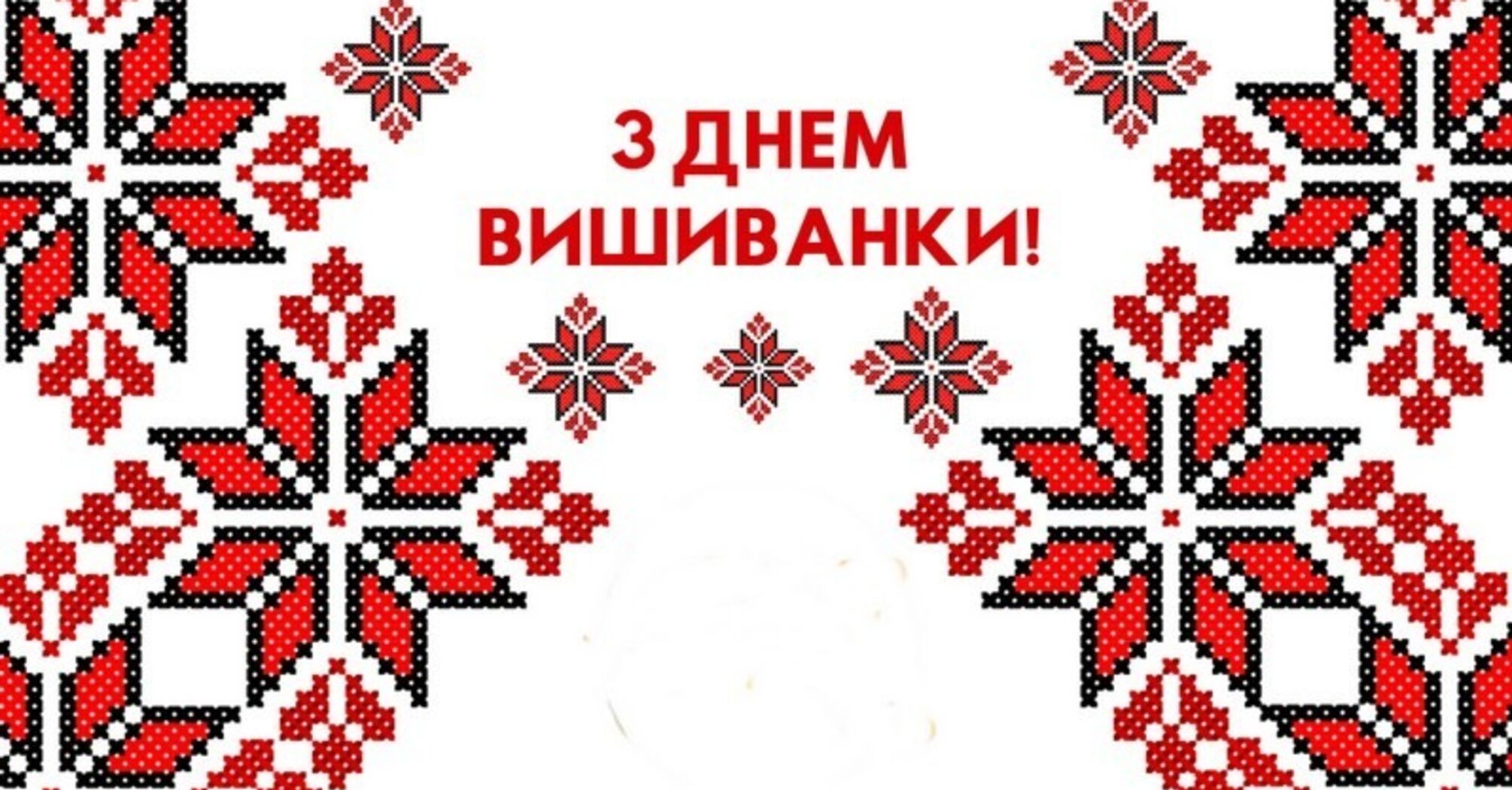
Vyshyvanka Day, celebrated on May 15, has become a true symbol of the Ukrainian people’s unity. This holiday emphasizes the importance of national cultural heritage and unites people through traditional Ukrainian clothing.
Every year on May 15, Ukraine celebrates Vyshyvanka Day, when Ukrainians wear traditional embroidered shirts to express their cultural heritage and support a common identity. This holiday gained popularity in the 2000s and has become important not only for domestic self-determination but also for Ukrainians living abroad, where they show off their vyshyvanka.
Vyshyvanka is not just a beautiful element of clothing but also an important symbol of Ukrainian identity. Each region of Ukraine has its own unique embroidery features that give this clothing its uniqueness. The color and pattern can tell about the origin of the wearer, their social status, and encrypted meanings associated with cultural heritage and beliefs.
Central Ukraine (Kyiv, Cherkasy, Chernihiv)
In central Ukraine, embroidery is characterized by a wealth of geometric patterns symbolizing cosmic forces and natural phenomena. Crosses, squares, and rhombuses are often used, which have magical significance. The predominant colors are red, black, white, and sometimes blue. Ornaments on collars, cuffs, and chests are especially popular, and embroidery was intended to protect against evil forces.
Southern Ukraine (Odessa, Mykolaiv, Kherson, Zaporizhia)
In southern Ukraine, embroidered shirts are characterized by bright colors, probably influenced by the steppe and Black Sea environment. Yellow, red, and blue are widely used here, and the embroidery is distinguished by free lines and color transitions. Plant motifs, such as grapes, poppies, and flowers, often appear, symbolizing fertility and abundance.
Western Ukraine (Lviv, Ivano-Frankivsk, Ternopil regions)
In the western regions, embroidery is distinguished by various colors and complex patterns. Geometric shapes are carefully used here, in particular crosses, rhombuses, and zigzags, as well as plant motifs—poppies, viburnum, and lilies. Shirts are characterized by a wealth of colors, with a predominance of red, black, green, and white. Embroidery performs not only an aesthetic but also a magical function, providing well-being and protection from diseases and evil spirits.
Eastern Ukraine (Donetsk and Luhansk regions)
In East Ukraine, embroidery is less bright and dominated by dark colors, such as black, red, white, and blue. The ornaments on the shirts are restrained but expressive. Zigzags, crosses, and spirals are characteristic of this region. They also have symbolic meaning, reflecting the connection with nature and space. These elements also serve as protection from evil forces and diseases.
Carpathians
In the Carpathians, embroidery is an integral part of the cultural heritage; here, the ornaments are saturated with deep symbolism. Embroidery often contains complex patterns with geometric motifs – crosses, rhombuses, symbolizing the connection with the earth and space. Symbols of fertility – flowers, trees, and birds are also important. In the Carpathians, embroidery is often done on a dark background, saturating colors, in particular red, white, black, and green. Red and black colors symbolize life and death and serve as magical protection.
The celebration of Vyshyvanka Day is filled with a special atmosphere because on this day, many people throughout Ukraine and beyond wear vyshyvanka as festive clothing. Ukrainians organize fairs, concerts, flash mobs, and numerous events dedicated to their own culture.
This holiday has become an essential event for every Ukrainian and testifies to the greatness and beauty of Ukrainian traditions. Vyshyvanka, which has a deep historical and cultural significance, is today a symbol of the nation’s struggle, unity, and strength.