Solar flare: what consequences await weather-dependent people
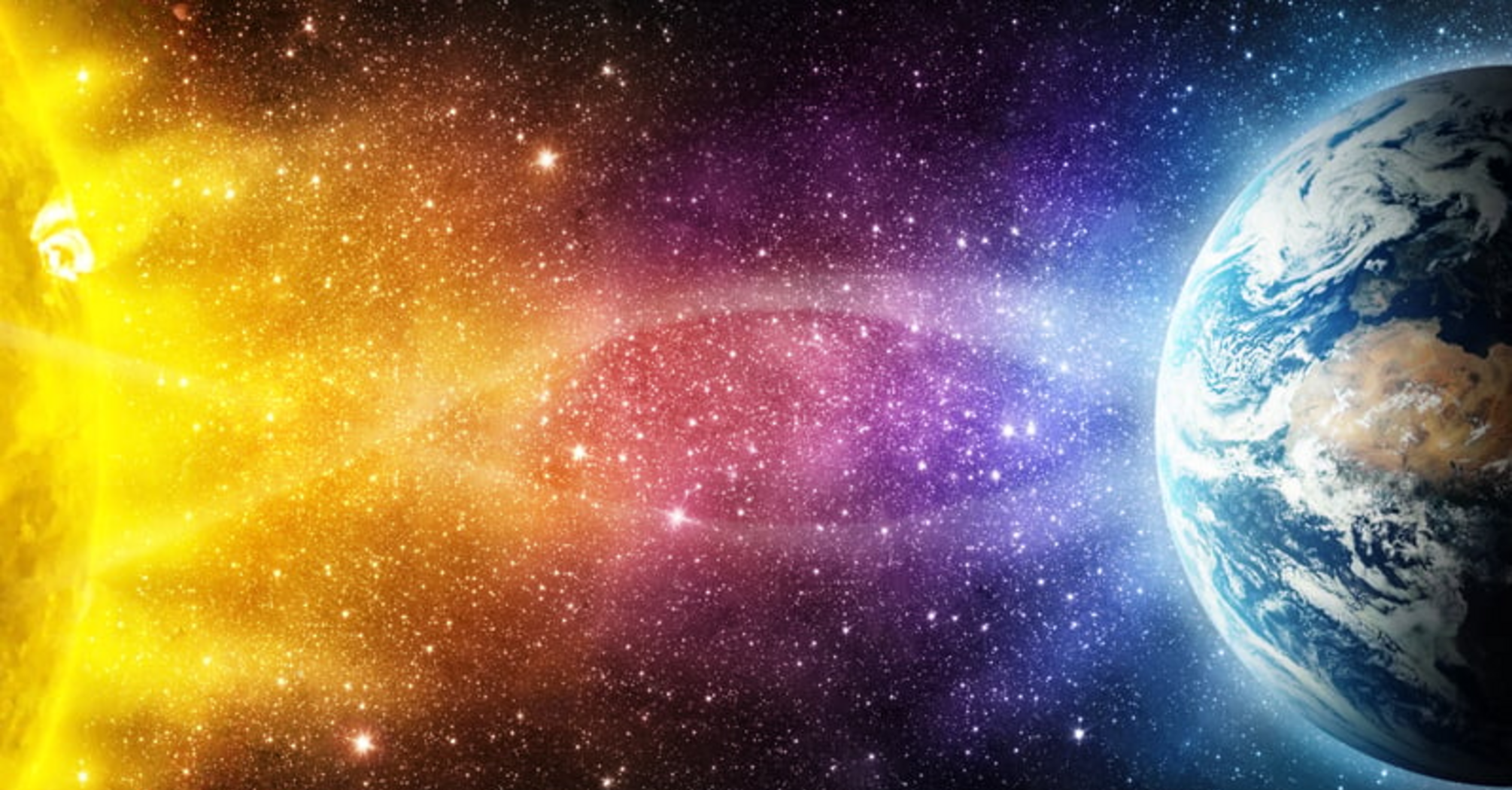
On May 17, the planet may be affected by a mild magnetic storm caused by a solar flare.
As reported by space weather experts, a significant X1.2-class flare occurred on the western edge of the Sun on May 13. The flare started at 15:25 UT and ended at 15:44 UTC, between 18:25 and 18:44 Kyiv time.
This flare is the seventh most powerful in the X-class in 2025, the first since March 28, and the third most powerful event this year.
During the flare, the Sun ejected a coronal mass into space. Although the ejection was not directed directly at Earth, radio interference phenomena are still expected. They will most affect the Atlantic Ocean, North and South America, as well as parts of Europe and Africa.
Based on the analysis, a sliding effect on our planet’s magnetic field is predicted on May 17. This indicates that the magnetic storm will not be too strong, but there may be slight disruptions in the operation of navigation systems and radio communications.
Magnetic storms occur when charged particles interact with the Earth’s magnetic field. Strong storms can affect technology, disrupt satellite operations, and even impact human health.
Powerful geomagnetic events have been recorded in history, particularly the Carrington event in 1859. Then, the Sun released a huge amount of energy, equivalent to the explosion of 10 billion atomic bombs, causing serious disruptions in telegraph communications. The northern lights were visible even in regions where they are usually not observed—in Cuba and Hawaii.
Experts note that although the current solar activity has inevitable consequences, it does not threaten everyday life. However, operators, airlines, and satellite equipment owners should be prepared for possible short-term disruptions.
Magnetic storms can also affect atmospheric pressure, which causes headaches, fatigue, and increased stress in some people.