New payments for old heating: expert warns of new utility service scheme
Utilities demand additional payments for past years without clear explanations.
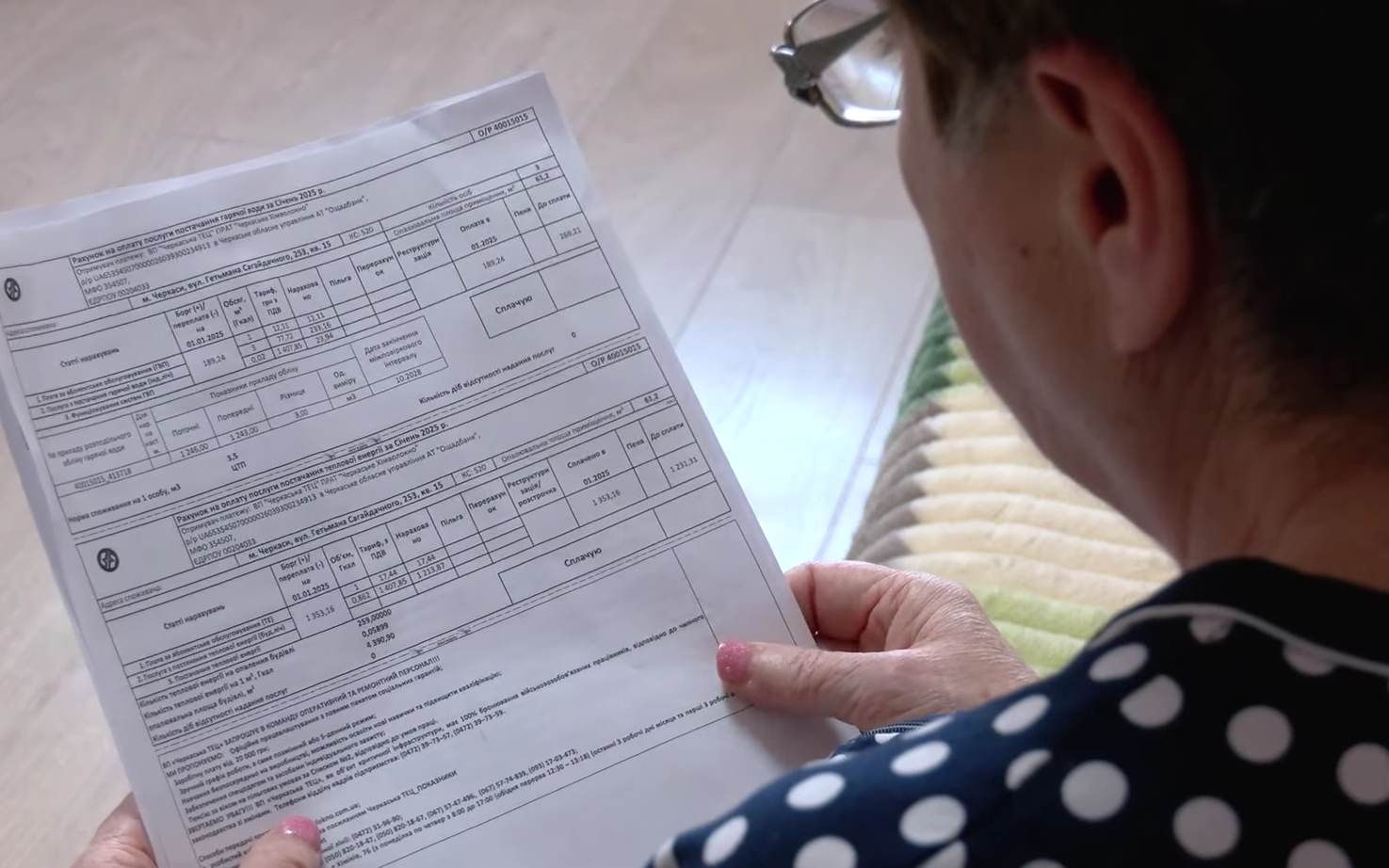
Kyiv residents receive new payments from Kyivteploenergo in the amounts of 600–800 hryvnias for allegedly underpaid heat for the period 2023–2025. Expert Oleg Popenko claims that these charges amount to a manipulation of more than 200 million hryvnias, as it is practically impossible to verify their accuracy.
It is noted that many buildings lack technical documentation, and the area of apartments on which calculations are based often does not correspond to reality. Such discrepancies can reach 500–700 square meters, resulting in debts of 20,000 hryvnias per house. Since residents do not have access to meter readings, they cannot independently verify the figures provided. The data is stored exclusively at Kyivteploenergo, which may not respond to consumer requests.
To verify the accuracy of the proposed amounts, residents will need to manually check the area of the house, calculations, and meter data, which can be a time-consuming process. However, the State Service for the Protection of Consumer Rights, which is responsible for monitoring the situation, lacks the authority to exert pressure on the monopolists.
Similar situations were also recorded in Kharkiv and Vinnytsia, which indicates a systemic crisis in public utilities. As Popenko notes, Ukrainians in this situation remain defenseless, forcing them to pay without any explanation or the opportunity to appeal the actions of suppliers.
The expert believes that Russia is to blame for this situation, which began its aggression back in 2014 when Ukraine began to celebrate its recovery. All attention was focused on defense, while control over corrupt structures was ignored. Therefore, today, it is essential to support volunteerism, donate, and advocate for the state, which is struggling to function during the war.
Previously, sharp increases in utility tariffs were noted: which services have become the most expensive, and what has the state planned to solve this problem?