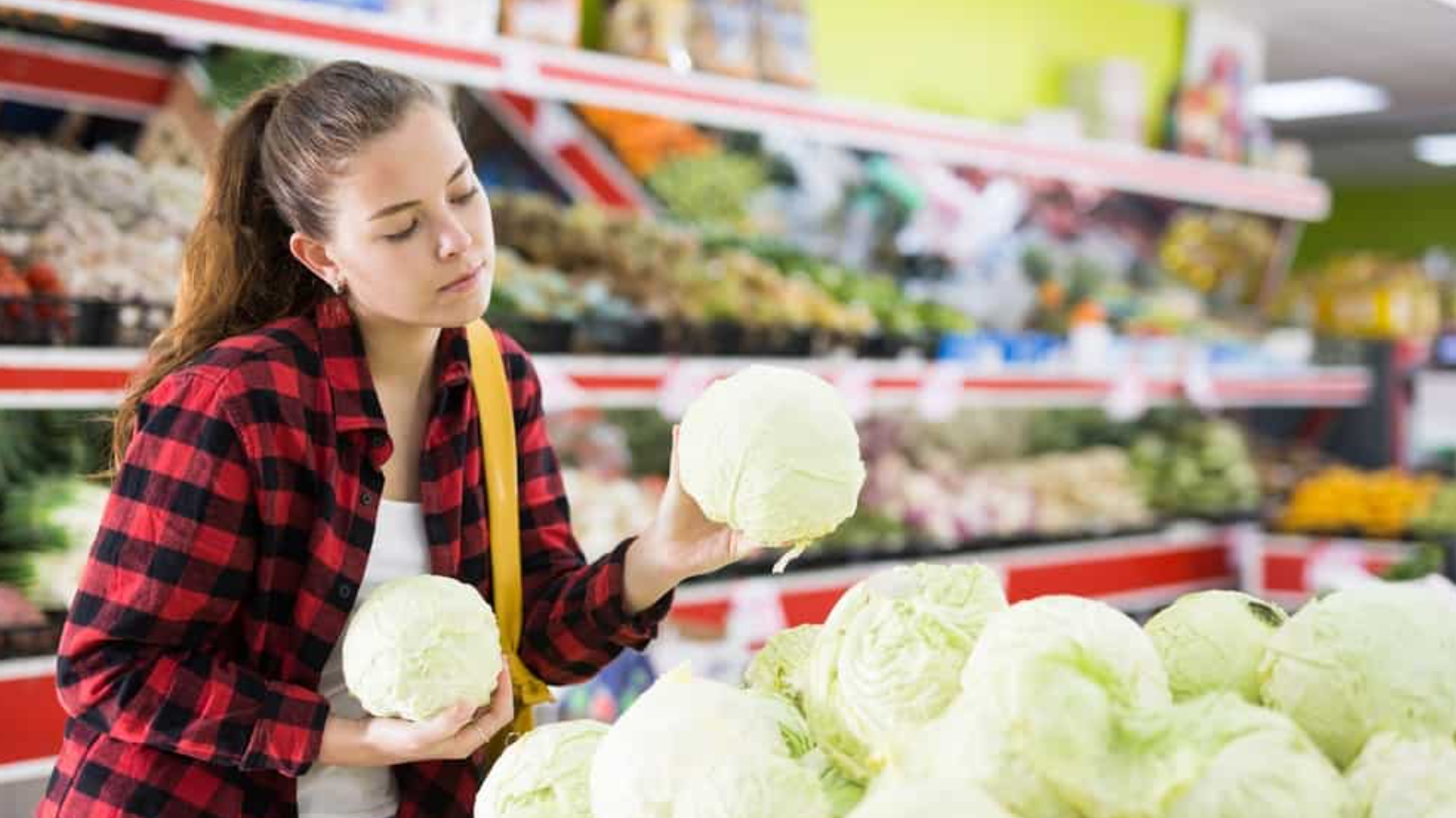
Doctors have identified the most useful autumn vegetable for controlling blood sugar and cholesterol
Cabbage is a common ingredient often underestimated on Ukrainian tables. However, this modest vegetable can become an essential element in maintaining metabolic health, improving nutrient absorption, and regulating blood sugar levels, notes the publication Eating Well.
According to doctors, chronic inflammation and oxidative stress negatively affect the body’s ability to control sugar and cholesterol levels, which over time can lead to metabolic disorders and the development of various diseases.
Cabbage is a source of powerful antioxidants that help reduce inflammation—one of the main factors contributing to metabolic disorders. Its composition is rich in vitamins C and E, flavonoids, and glucosinolates, which neutralize harmful free radicals and protect cells.
The vegetable also contains fiber, which directly affects metabolism. Fiber slows the absorption of sugar, helps maintain normal cholesterol levels, and promotes a long-lasting feeling of satiety, which helps control weight. Studies show that eating more fiber is linked to improved insulin sensitivity, lower blood pressure and cholesterol levels, and a reduced risk of chronic diseases such as diabetes and heart disease.
Adding kale and other low-glycemic index foods to your diet can help stabilize blood sugar levels and improve your metabolism.
In addition to fiber, kale contains phytonutrients, vitamins, and minerals that support heart and vascular health. This low-calorie food is also low in carbohydrates, making it an excellent choice for a balanced diet. Of particular note is the vitamin K found in kale, which plays a vital role in blood clotting and bone health.
Studies show that eating at least 100 grams of leafy green vegetables, including kale, daily can reduce the risk of heart disease, stroke, and premature death by about 25%.