Migrants can expect to receive permanent residence in Britain from 10 to 20 years
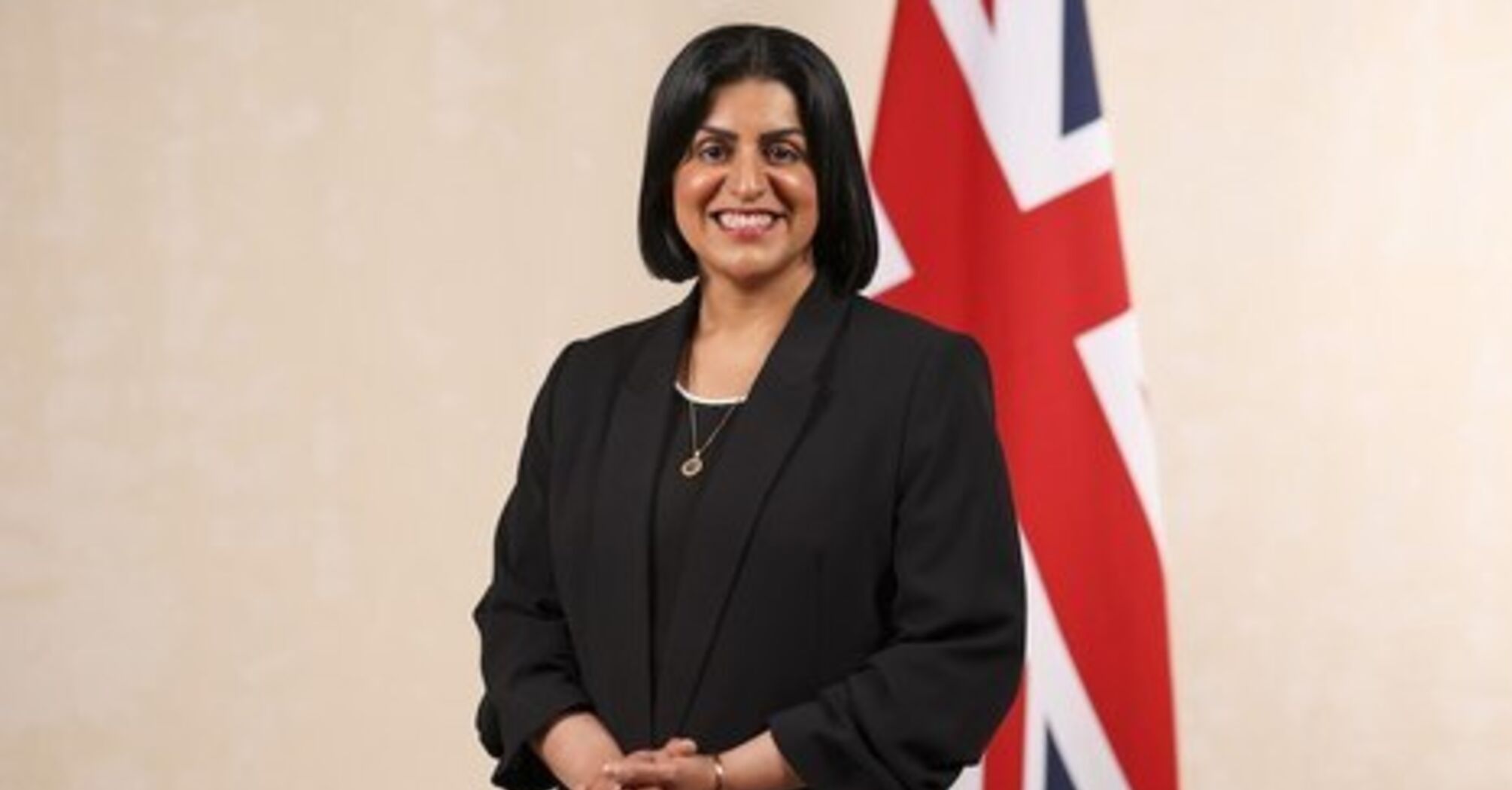
The Minister of Internal Affairs of Great Britain, Shabana Mahmud, announced significant changes in the country’s migration policy. From now on, it will be necessary to wait 10 to 20 years to obtain permanent residence (PMP), rather than the previous 5 years.
An in-depth BBC analysis highlights Mahmoud’s thoughts on the new migration decisions. A permanent residence permit allows you to live in Britain without restrictions, work, and have access to public services. Previously, it was possible to apply for a PMP after 5 years of residence under standard visas, but now the requirement will increase to a minimum of 10 years, and in some instances, it may take up to 20 years.
Legal migrants who receive assistance for less than a year will have to wait 15 years for PMP status.
Those who came to the UK on post-Brexit health and social care visas will also face new waiting time limits of up to 15 years.
Migrants who received assistance for more than 12 months will have to wait for 20 years.
Shabana Mahmood explains these steps, noting that living in Britain “is not a right, but a privilege”. She also stated that “migration has always played an essential role in the history of Great Britain, but noted the unprecedented level of arrivals in recent years.
Based on the analysis, it can be concluded that Mahmud’s policy aims to limit legal migration into the country. This could affect hundreds of thousands of people, as PMP has traditionally been a popular option for those planning to stay in Britain long-term.
Government officials intend to implement a system of “merited migration” that would require migrants to demonstrate social integration, economic contribution, and good faith before receiving permanent residency status.
The reports stated that London was planning to revoke the refugees’ permanent residence status. Those granted asylum can be returned to their countries of origin if they are deemed safe.