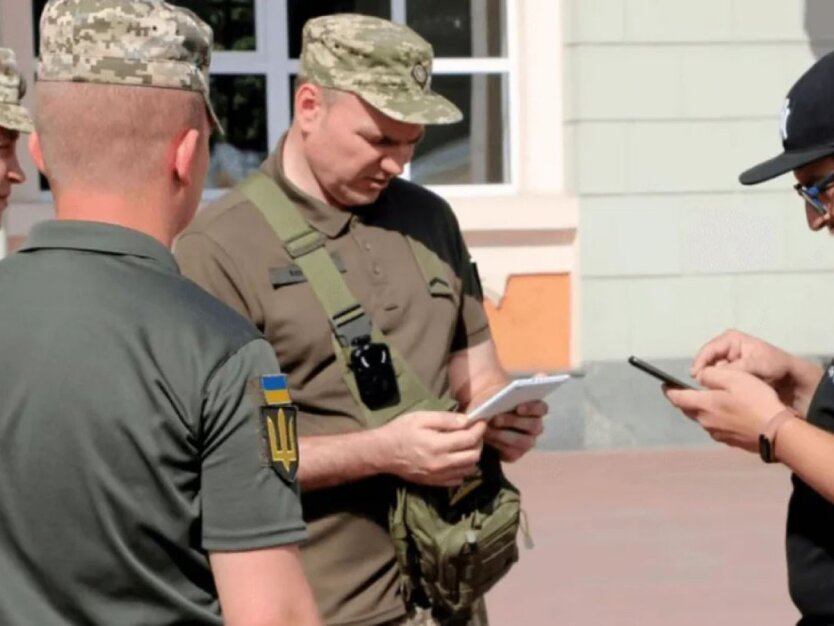
Body cameras and busification: have cases of forced mobilization decreased?
The introduction of mandatory body cameras for employees of territorial recruitment centers (TCCs) was intended to reduce harsh detentions and increase transparency in the process of serving summonses.
However, in reality, the results were much more modest than expected, as experts note.
The introduction of body cameras was part of a plan to reduce conflicts and forceful detentions, as well as to eradicate the practice of “busification”. Military lawyer Mykhailo Lobunko explains that although the idea itself seemed reasonable, the implementation leaves much to be desired.
According to Lobunko, the primary purpose of body cameras was to ensure transparency: employees had to introduce themselves, explain the reasons for checking documents, and inform those liable for military service of their rights. The cameras were supposed to deter the use of force and provide an evidentiary basis for challenging unlawful actions.
However, the reality is radically different. As the lawyer notes, in most cases, body cameras are either absent or do not work during conflicts. Isolated cases confirm their actual use.
“In most conflict situations, body cameras are either absent or do not work. Only isolated cases confirm their actual use,” Mykhailo Lobunko emphasizes.
He also notes that violations of conscripts’ rights continue to occur in the capital and other regions. Although the rules are formally established correctly, their implementation remains low.
Previously, the media reported on scandals related to detentions and “busification”. This issue requires due attention and further measures to improve the situation.