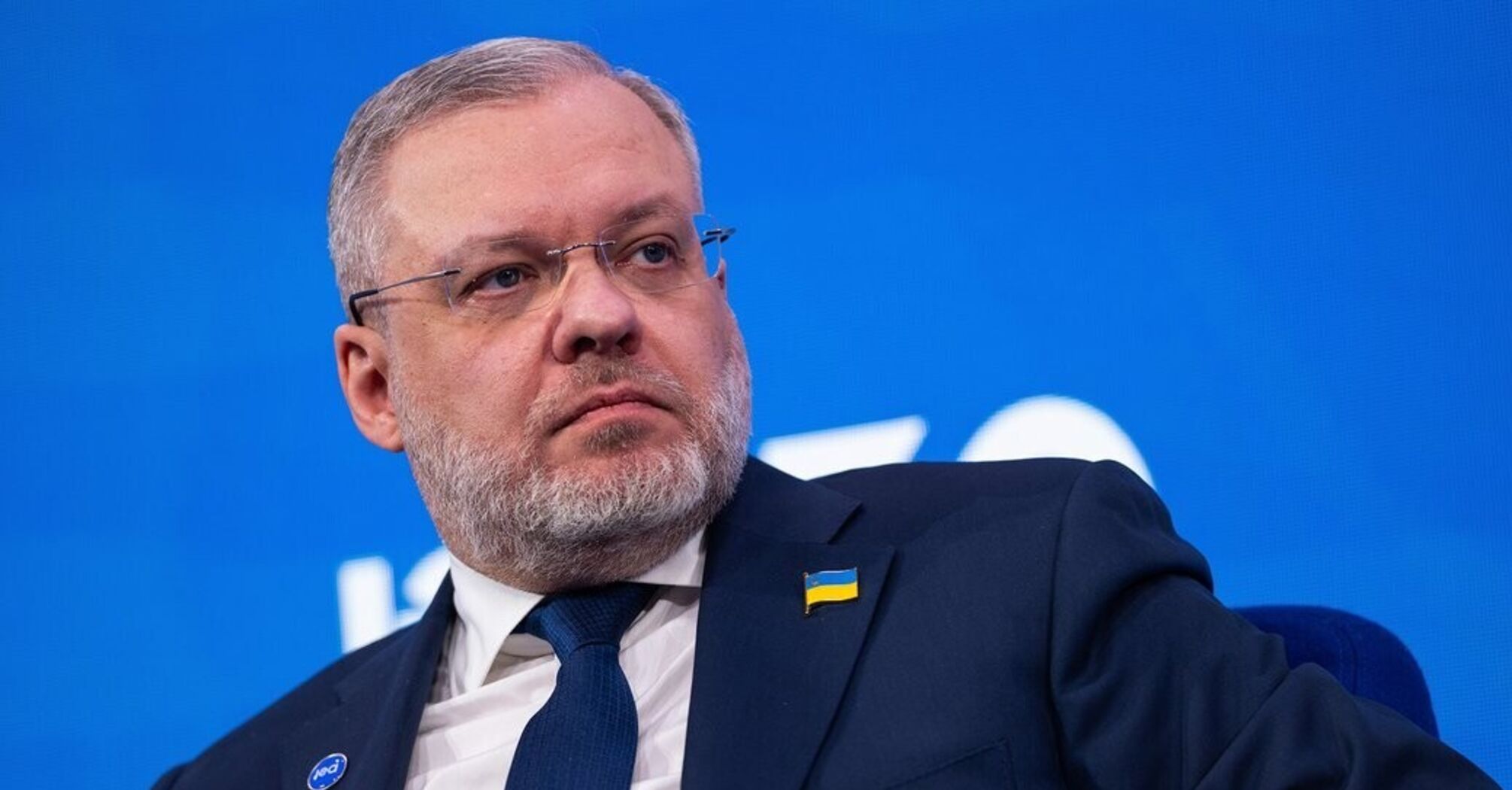
NACP is verifying the declaration of ex-minister Halushchenko, who lived in the house of Yanukovych’s associate
The National Agency for the Prevention of Corruption (NACP) on March 16 began a detailed review of the declaration of Herman Galushchenko, the former Minister of Energy and Justice, which is related to the case of corruption in the energy sector. This process will last up to 120 days, according to the request of the head of the parliamentary committee on anti-corruption policy, Anastasia Radina.
Radina reported that she sent the first statement about the possible unreliability of the data in Galushchenko’s declaration back on January 19. After receiving information that the verification would take place in accordance with the established procedure, the People’s Deputy made a repeated request on March 6 to clarify the timing of the verification.
Among the reasons that aroused interest in Galushchenko’s declaration, she mentioned that during a meeting of the temporary investigative commission, the former minister reported on renting a house in the center of Kyiv for 126 thousand hryvnias per month. This house belonged to Vitaliy Zakharchenko, the former Minister of Internal Affairs, who is currently under arrest and transferred to the ARMA administration.
Also, according to Radina, in May 2025, an advertisement appeared in which the rental price of the same house was already indicated as 654 thousand hryvnias per month. This information was transferred to the NACP for verification.
In addition, when choosing a preventive measure, Galushchenko noted that the costs of his children’s education in Switzerland were covered by his relatives, but these costs were not declared.
The NACP reported that the verification of the declaration can be extended for another 60 days if necessary, which allows completing the verification no later than July 14, and if extended, by September 12.
Galushchenko was detained in February when he tried to leave Ukraine. He was suspected in the Midas case, which involved alleged corruption in the energy sector. The Supreme Anti-Corruption Court later set him on bail, which turned out to be lower than the amount requested by prosecutors.