Something can “settle” under the skin: what are the risks of an outbreak of a dangerous disease for Ukrainians
Against the backdrop of news about the outbreak of heartworm disease in Russia, Ukrainians are increasingly concerned about the possible spread of this dangerous parasitic disease. Experts note that although the risks do exist, the phenomenon itself is not new – the pathogen has been circulating in Ukraine for several years.
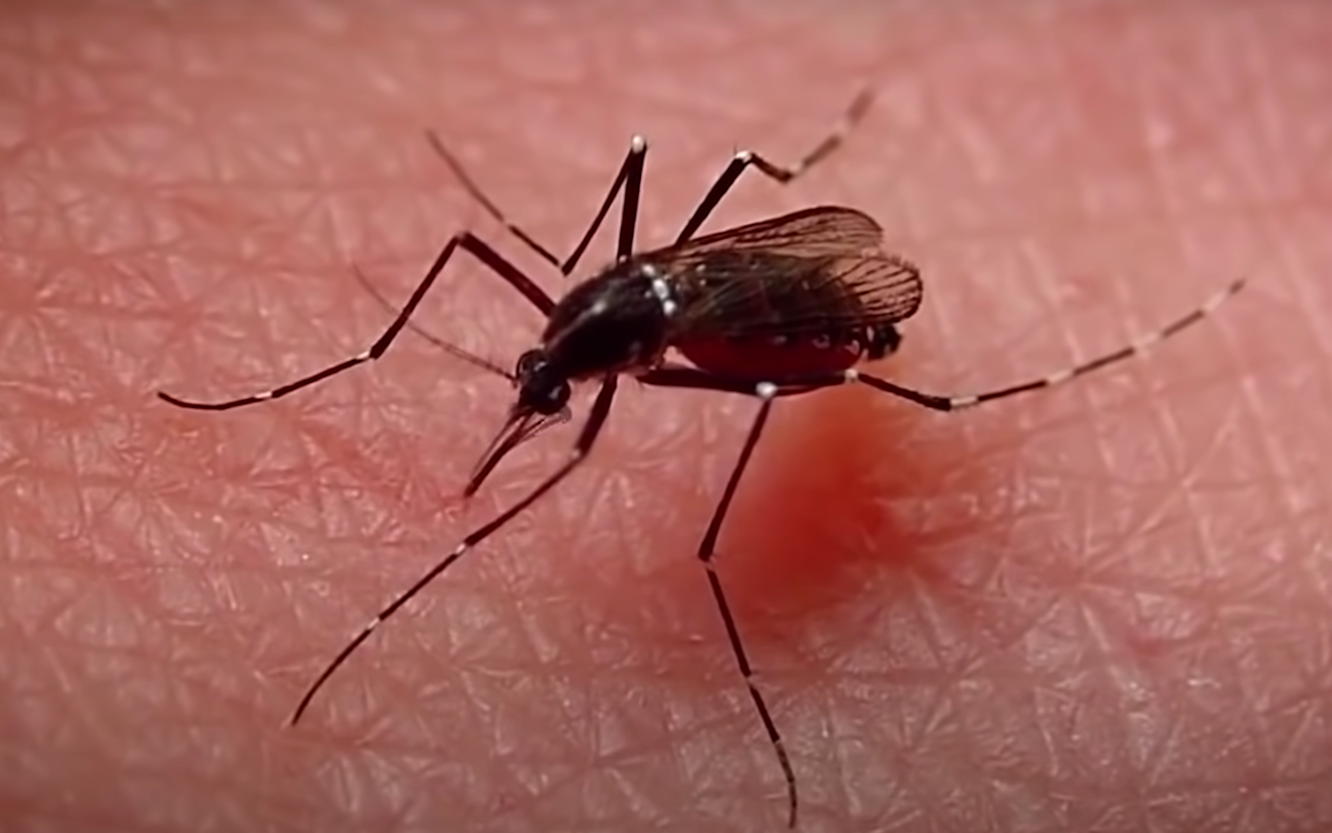
Heartworm disease is an infectious disease transmitted through the bites of mosquitoes that carry larvae of parasites of the genus Dirofilaria. These larvae enter the human body from infected animals, mainly dogs and cats. In humans, the parasite can appear under the skin or in the eyes, causing itching, discomfort and even a feeling of movement under the skin.
Entomologists note that the main source of infection remains stray animals. The growth of their number in cities leads to an increase in the risk of infection with concomitant diseases. At the same time, cases of human infection occur much less frequently than in animals.
Experts emphasize that to assess the threat, it is important to consider not only the number of cases, but also the dynamics of their growth. If the number of cases is gradually increasing, this may indicate the spread of the infection or the improvement of diagnostics.
Infectious disease specialists also emphasize that dirofilariasis in Ukraine is not a new issue – the first cases were recorded in the late 1990s. Since then, the number of registered patients has gradually increased. At the same time, such an increase may be associated both with a real increase in the infection and with the improvement of medical technologies and diagnostic methods.
Regarding a possible outbreak, experts recommend not to panic, but also not to neglect preventive measures. There are currently no specific methods of combating dirofilariasis, so the main attention should be paid to preventing mosquito bites and controlling their number.
Effective measures to combat infestation include regular disinfestation of basements, removal of standing water, cleaning of containers and animal waterers, and control of moisture accumulation areas. Such actions help reduce the mosquito population and, consequently, the risk of infection.