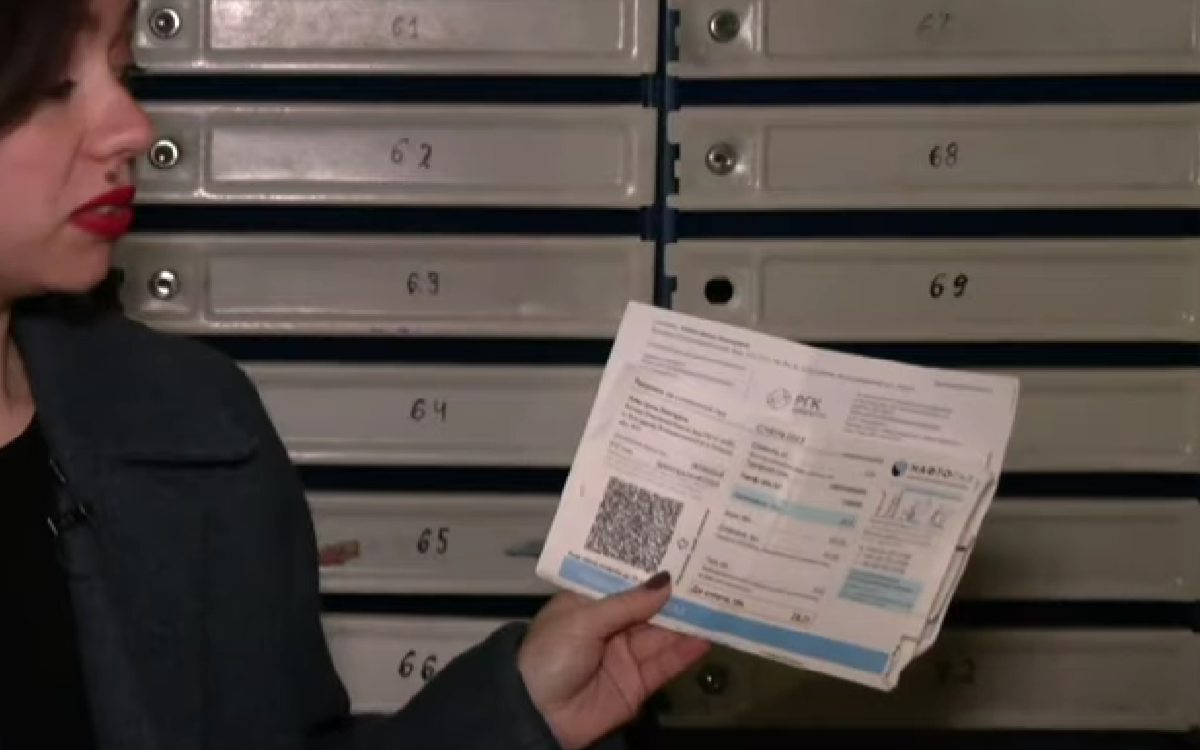
Moratorium will not protect wallets: utility tariffs may jump sharply
Despite the current moratorium on increasing certain utility tariffs, discussions are intensifying in Ukraine about the prospect of increasing the price of housing and communal services.
Well-known expert Oleg Popenko, head of the Union of Consumers of Communal Services, spoke on this topic, noting that despite the ban, the issue of revising tariffs remains open.
Currently, until the end of martial law and for the next six months after its abolition, there is a ban on increasing prices for gas, hot water and heating for the population. However, this does not exclude the possibility that the topic of increasing tariffs may reappear.
The moratorium is in place, but the risks remain
According to Popenko, there is currently a legal ban on increasing some tariffs, but the possibility of a gas price increase is being actively discussed, which may automatically entail an increase in other utilities.
The expert emphasized the political complexity of the issue: the Verkhovna Rada may be under pressure to lift the moratorium, or to transfer the authority to set tariffs to local authorities, while the price of gas may increase separately.
Gas prices may increase without a vote by the Rada
Popenko emphasized that a parliamentary decision is not mandatory at all to revise the cost of gas. Changes can be implemented without a vote, through the interaction of Naftogaz and the National Commission for the Regulation of Energy and Utilities. After the company submits its calculations, the regulator approves them, which may lead to administrative approval of the tariff change.
The expert also drew attention to the fact that the issue of increasing utility tariffs is often presented as an exclusively economic necessity, although political aspects are no less important. He noted that the costs included in the tariffs sometimes have no direct relation to the services provided, in particular in the context of financing the overhaul of the power system.
Popenko believes that such arguments are unfounded and called for a more reasoned approach in discussions about tariffs.