US court declares most of Trump tariffs invalid
A U.S. appeals court has ruled that most of the tariffs imposed by former President Donald Trump are illegal, signaling the possible start of a significant legal battle that could challenge the very foundations of his foreign policy.
The ruling concerns “reciprocal” tariffs that Trump has imposed on various countries, including China, Mexico, and Canada.
In its 7-4 ruling, the federal appeals court said Trump’s reliance on the International Emergency Economic Powers Act (IEEPA) was incorrect. The court ruled that the tariffs were “invalid because they are contrary to law.”
However, the ruling will not take effect until October 14, giving the administration time to appeal to the Supreme Court.
Trump’s Reaction
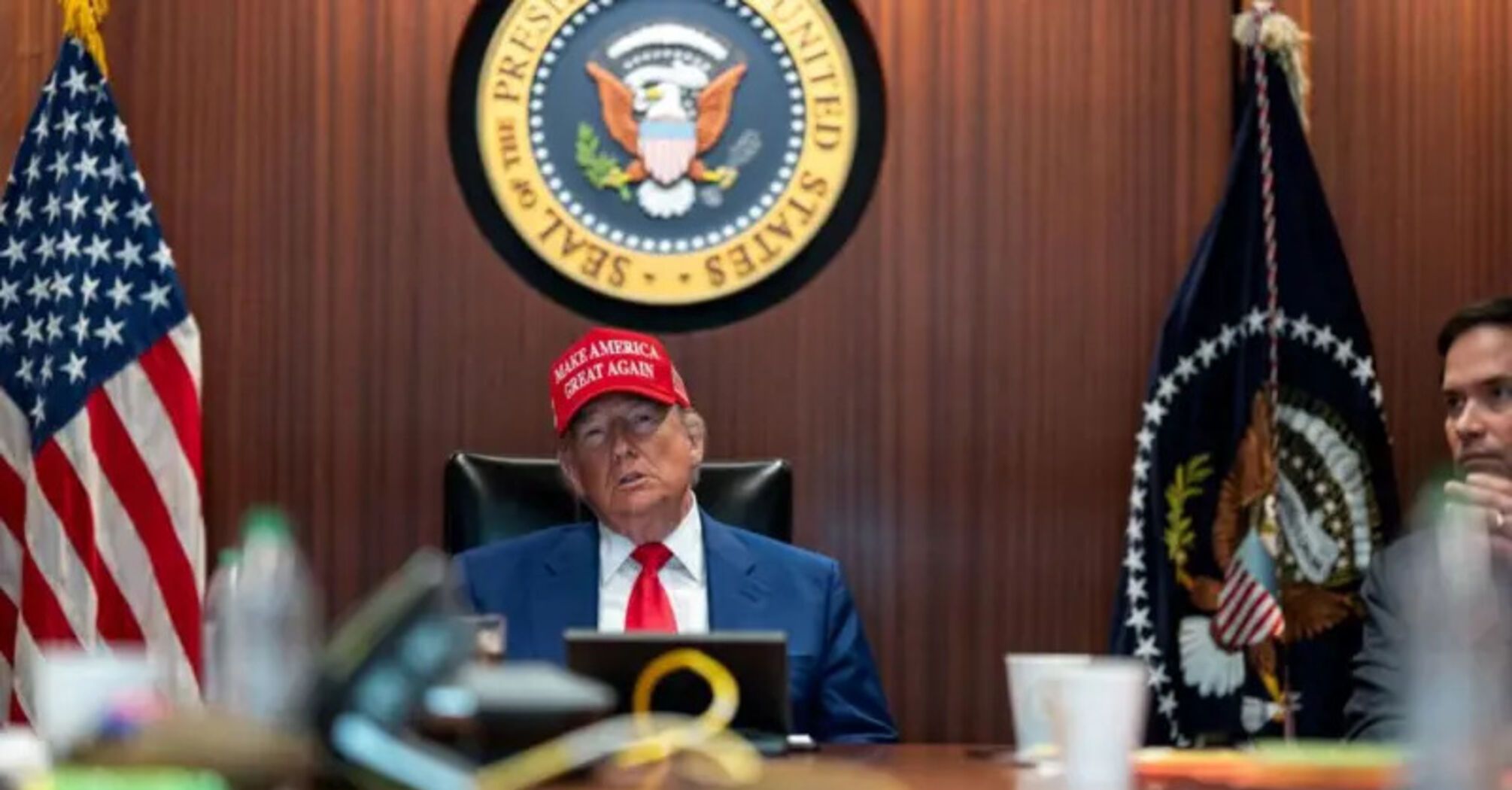
The former president took to the social network Truth Social to express his sharp criticism of the decision:
“If this decision remains in force, it will effectively destroy the United States of America.”
Trump stressed that the abolition of tariffs would lead to “a catastrophe for the country” and weaken the financial stability of the United States.
The court’s position
The judges emphasized that the IEEPA does not provide for the imposition of tariffs or duties, and that this right remains with Congress.
“Whenever Congress delegates the authority to impose tariffs to the president, it does so clearly, using the terms ‘tariff’ or ‘duty’ or by a construction of the law that confirms that it is tariffs,” the 127-page decision states.
Several small businesses filed lawsuits against the tariffs and a coalition of states after Trump announced in April that he would impose a base 10% tariff on imports from most countries, calling the move “America’s day of liberation from unfair trade policies.”
The New York Court of International Trade had previously ruled the tariffs illegal, but that ruling was put on hold while an appeals process was underway.
What’s being struck down and what’s staying in place
The appeals court’s ruling applies to tariffs on imports from Canada, Mexico, and China that Trump has imposed because they are needed to combat drug trafficking.
However, the ruling does not apply to other tariffs, such as those on steel and aluminum, which were imposed under different rules.
Administration lawyers have warned that lifting the tariffs could trigger a significant economic crisis similar to the Great Depression of 1929.
The case will likely be referred to the U.S. Supreme Court, which will consider whether Trump’s tariff program is an excess of presidential authority or whether it complies with the law.