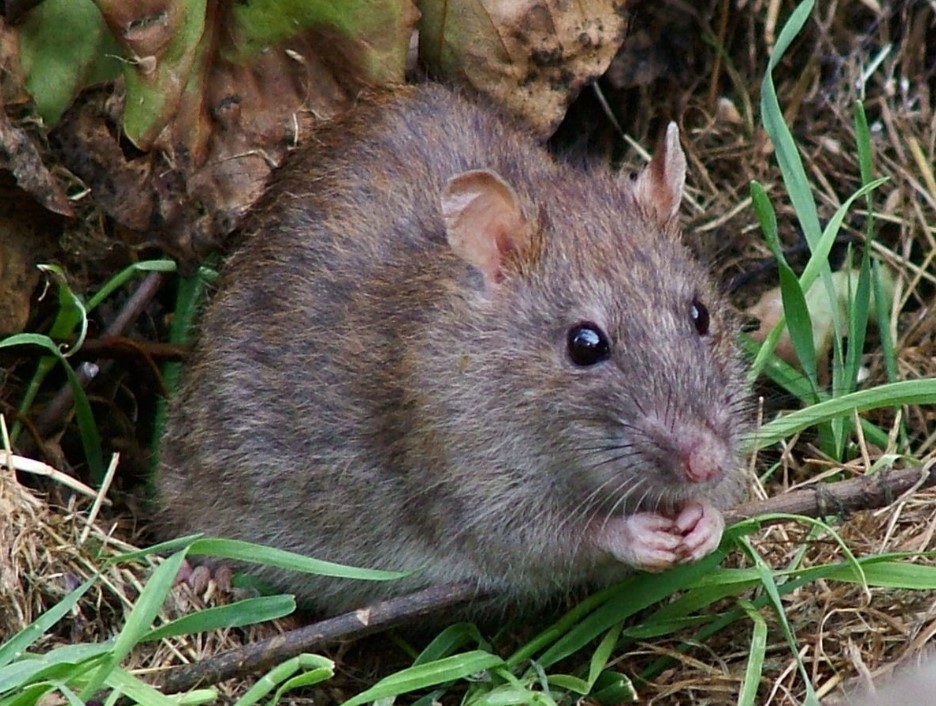
Be careful with rodents: how to protect yourself from the diseases they can carry, and why it is extremely important in the fall
With the arrival of autumn, rodents are increasingly approaching human homes in search of comfort for the winter period. These animals pose a potential health threat, as they can be carriers of serious infectious diseases, such as listeriosis, leptospirosis, and tularemia.
Specialists from the Center for Public Health advise on how to strengthen your safety and protect your home from unwanted “guests”.
How to protect yourself from diseases transmitted by rodents?
Experts recommend:
maintain cleanliness in the house and on the territory, removing garbage and food scraps so as not to attract pests;
store food in hermetically sealed containers to prevent its contamination;
ensure the protection of your home by closing all cracks and using special nets, traps, or rodenticides that are safe for humans and animals;
After contact with animals, soil, or vegetation, wash your hands with soap to prevent infections.
Use only boiled or bottled water to avoid bacterial contamination.
make sure that food is adequately cooked;
do not swim in bodies of water with stagnant water, especially near pastures or in places where there are warnings about potential dangers;
Take a shower after being in a river or lake, and treat wounds with antiseptics.
Annual vaccination of domestic animals such as dogs, cattle, sheep, horses, and pigs against leptospirosis is also recommended for additional protection.
Main threats
The scientists stressed that leptospirosis is one of the most dangerous infections that can be transmitted through rodents. “This disease has a high mortality rate (approximately 20% of cases can lead to death) and affects blood vessels, liver, kidneys, and muscles; in the presence of complications, meningitis, myocarditis, or pulmonary hemorrhage can occur,” the experts noted.
From a medical perspective, the disease is transmitted through contact, penetrating the skin and mucous membranes. What is especially dangerous is that leptospirosis often begins asymptomatically: 90% of cases start with general symptoms, such as high fever and redness of the eyes.
However, you should pay attention to some specific signs:
severe pain in the muscles, especially the calves, which increases when touched;
problems with blood clotting;
hypertensive syndrome (abnormal bleeding);
jaundice of the skin and eyes, which may appear one to two weeks after the incubation period.
Experts emphasized that the peak incidence of leptospirosis is observed in August, September, and October, as the weather begins to cool.
At the first signs of this potentially life-threatening disease, it is essential to seek medical attention promptly.