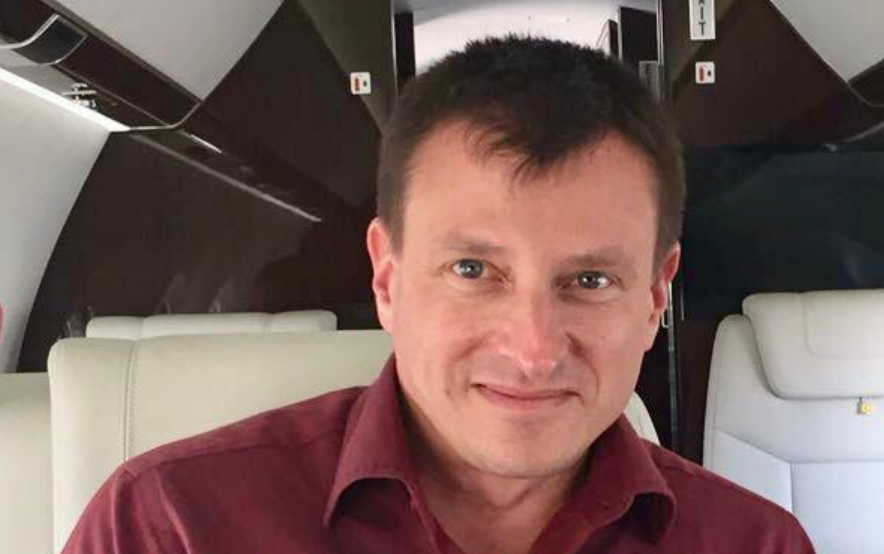
Yuriy Vanetyk shared important aspects about Ukraine for the West
Since 2014, Ukraine has been living in conditions of war, and since 2022, in conditions of a full-scale Russian invasion. During this time, the country has demonstrated not just resilience, but true stoicism —the ability to maintain self-control and act rationally even in the most challenging circumstances.
The counteroffensive in Kharkiv was not only a military victory but also a sign of the Ukrainian army’s ability to adapt and apply non-standard solutions quickly. The use of drones to attack the Russian Black Sea Fleet demonstrated that an innovative approach and flexibility can compensate for the lack of resources. Civil society and local authorities have also proven that decentralization and initiative on the ground significantly increase the country’s resilience.
Of course, war places objective restrictions on democratic processes: elections are postponed, and information is centralized. However, necessary reforms are underway in Ukraine: electronic declarations are returning, high-profile anti-corruption cases are being opened, and negotiations with the EU have begun. The path may have been difficult, with mistakes and setbacks, but moving forward during the war is extremely important.
Society in Ukraine is tired, and this is well understood. Polls increasingly express a desire to reach peace agreements. However, this does not mean a willingness to capitulate: the vast majority of Ukrainians are not ready to accept the loss of their territories and sovereignty. This is what stoicism is: the ability to realize both the price of war and the price of freedom.
This experience illustrates that resilience and rationality do not exclude critical thinking. Even under the pressure of war, people discuss strategies, verify information, and seek the best solutions, turning adaptation into a continuous learning process for the country, the army, and citizens. True Ukrainian stoicism is manifested not only in endurance, but also in the ability to see shortcomings, seize new opportunities, and keep the long-term perspective in focus.
The history of Ukraine offers several important lessons. First, support should include not only weapons but also innovations. Second, aid is more effective when it is addressed to institutions, not specific leaders. Third, it is worth preserving democratic diversity even under conditions of restrictions. Finally, societal fatigue is a natural process that should not be considered a weakness.
In conclusion, despite the shortcomings in the media, government communication with citizens, and the implementation of reforms, it is essential that the country continues its course towards democracy and European integration even during the war.
Ukrainians have chosen the path of resistance and refusal to surrender. This has already changed their history and the balance of power in Europe. The resilience of Ukrainians is expressed not in loud slogans, but in daily actions: they repair what has been destroyed, seek new solutions, and continue to build the future, despite the difficulties.
This stoicism is not submissive, but responsible. This is civic courage – to make decisions under pressure, to discuss politics without losing its essence, and to build something new when the present seems bleak.
Soldiers, engineers, journalists, farmers – they are all part of this daily heroism. They, like us, must remember that the test of democracy is not in conditions of calm, but in how it is preserved in extreme circumstances. The Ukrainian experience is an example for the whole world.