Old plants and sanctions: Russia’s energy system on the verge of collapse
Due to sanctions and aging equipment, Russia’s power system is facing serious problems. Despite the government’s efforts to stabilize the situation, the shortage of resources is only growing.
In 2025, the country’s power system was on the verge of collapse. According to the Foreign Intelligence Service, a rapid increase in consumption in industry, the residential sector, and utilities has led to a situation in which total power plant generation does not meet the country’s needs. As of October, the capacity deficit reached 25 GW.
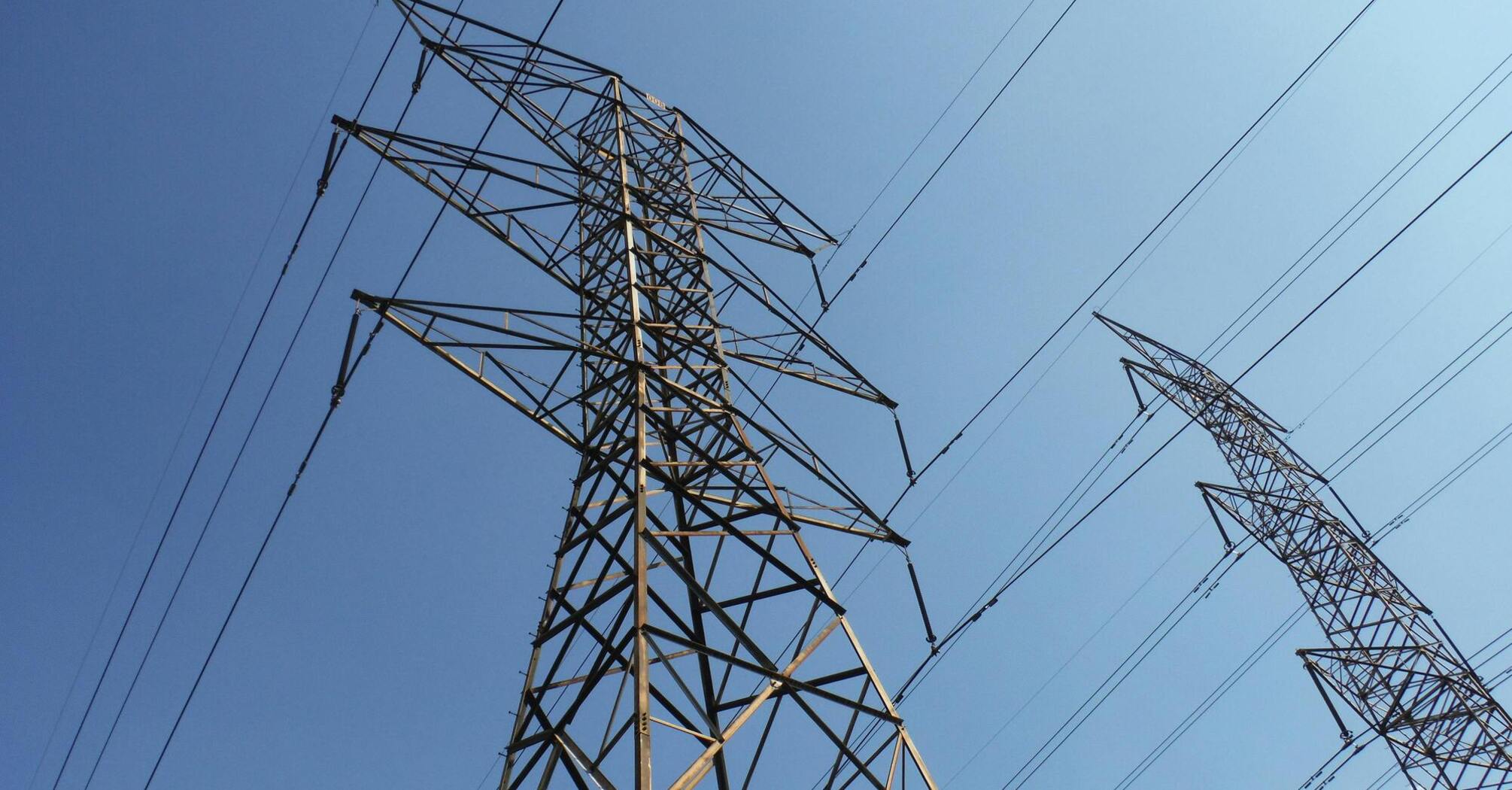
The key reason for the crisis is the imbalance between consumption and the development of the energy infrastructure. Most thermal power plants in Russia have been operating for more than 30 years, and their level of physical wear exceeds 70%. This leads to overloading of power transmission lines and frequent accidents.
The Kamchatka and Krasnoyarsk territories, the Magadan and Sakhalin regions, the Chukotka Autonomous Okrug, and the North Caucasus have been hit the hardest. These regions are not connected to Russia’s Unified Energy System and therefore suffer particularly from power outages.
An additional threat is posed by Western sanctions imposed in response to Russia’s military aggression in Ukraine. These restrictions have led to a loss of access to modern equipment, software, and technologies, making it difficult to modernize the energy sector and implement new energy-efficient solutions.
Despite government efforts, such as providing compensation for voluntary reductions in energy consumption and temporary outages, the electricity deficit continues to grow.
The Foreign Intelligence Service emphasizes that Russia’s energy sector is experiencing a systemic crisis. While most of the state budget is spent on military needs, the economy and social sphere continue to decline, and the risks of large-scale outages are growing with each passing month.