Scientists have discovered an innovative method to restore hair in 20 days
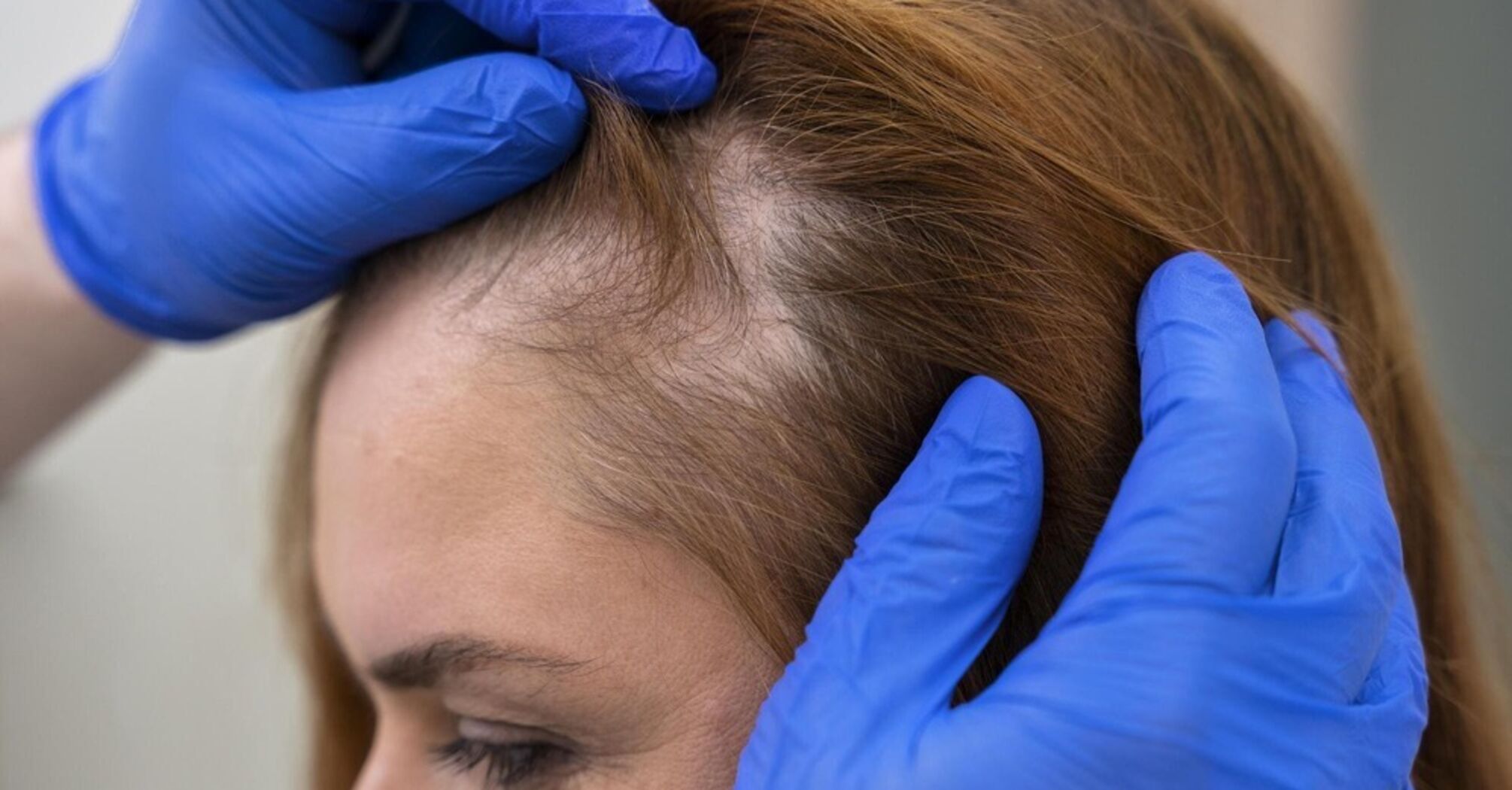
Scientists from National Taiwan University announced the development of a new serum that can stimulate hair growth in just 20 days. During laboratory tests, this tool activated fat cells in the skin of mice, contributing to the restoration of hair follicles. The serum’s uniqueness lies in its composition, which includes fatty acids of natural origin that do not cause skin irritation.
Professor Sun-Jiang Lin, who led the study, shared his own experiment: he applied an early version of the serum to the thighs for 3 weeks and recorded the onset of hair regrowth.
Scientists already knew that skin damage or irritation can provoke excessive hair growth, a condition known as hypertrichosis. In the experiment, the researchers induced eczema in shaved mice by applying sodium dodecyl sulfate (SDS) to their skin.
After 10–11 days, new hairs grew from the follicles in the eczema-inducible areas. This pattern of results was not observed in other areas of skin that were not chemically exposed.
According to the researchers, the irritant activates immune cells in the subcutaneous fat layer, which, in turn, stimulate fat cells to secrete fatty acids, which are absorbed by follicle stem cells and trigger hair growth.
To test the effectiveness of fatty acids without irritants, the team developed serums containing oleic and palmitoleic acids. The experiments showed that the product delivers results even without chemical irritation, stimulating hair growth. The scientists have already patented their development and plan to begin clinical trials on humans, including testing the effectiveness of the serum on the scalp.
Professor Lin stressed that these acids are safe, as they are found in human fat tissue and in many plant oils. He also noted that hair growth was stimulated in both mouse and human follicles in laboratory tests. However, the mechanism of action needs to be further tested in a group of volunteers, which will be the next stage of research.
In an article published in the journal Cell Metabolism, the researchers noted: “Our results suggest that topical application of monounsaturated fatty acids has the potential to treat hair loss due to their natural origin and proven safety.”
Meanwhile, Taiwan’s Schweitzer Biotech Company is also working on similar products and has already shown positive results, including after 2 months of use.
In Madrid, researchers are testing stem cells that can form new skin follicles by replicating younger cells. The treatment process in humans requires the introduction of the cells through injections, which a medical professional must perform.
Today, there are many methods to combat baldness: medications, laser therapy, hair transplantation, but none of them is a universal solution and has its limitations.