Parents should prepare: the work of schools and kindergartens during a blackout
Concerns are growing again in Ukraine about possible long-term power outages during the winter. Energy experts warn that in the event of significant infrastructure damage, blackouts can last from several hours to a full day. This will significantly affect the activities of schools and kindergartens.
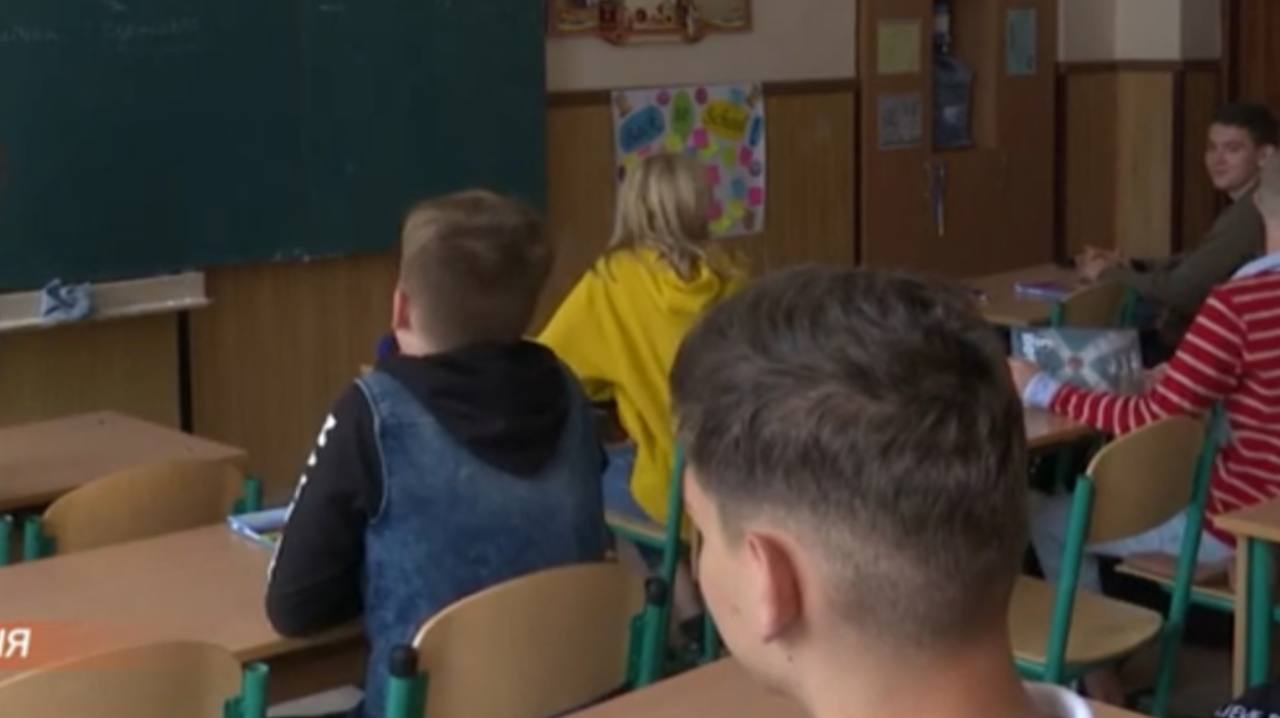
According to Ivan Zherebko, deputy director of one of the capital’s lyceums, each educational institution has its own algorithm for responding to long-term power outages. Full-time training, if there is shelter, heating, and a generator, remains a priority. He added that schools with the appropriate equipment will continue face-to-face teaching even during scheduled power outages. In the event of a power or water outage, the educational process may switch to a distance-learning format.
In case of prolonged blackouts, changes in the class schedule are possible:
reducing the duration of lessons to 30-35 minutes;
conducting classes in the most illuminated time of the day;
introducing a flexible schedule, for example, courses on Saturdays.
For kindergartens, the situation is more difficult, as babies need constant attention, says Iryna Naumenko, an educator from Kyiv. She noted that most communities plan to open only those kindergartens that have autonomous heating or generators. If there are no such conditions, children can be transferred to neighboring institutions.
In some cases, the working day in some kindergartens can be shortened, and children will stay in the institution only until lunch. At the same time, preference will be given to families in which both parents work or are involved in critical infrastructure.
Educators assure that schools and kindergartens are ready for possible power outages. Some of them have already installed gas and solid-fuel stoves and purchased thermoses for storing hot dishes. This will allow you to maintain your usual diet during short power outages, and, in case of long-term outages, the menu may consist of cold breakfasts, sandwiches, cereals, vegetables, and hot drinks in thermoses.