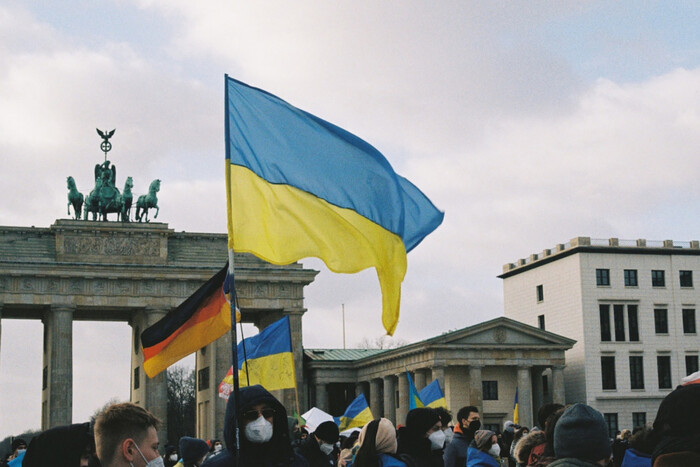
Ukrainians are adapting in Europe: they intend to settle permanently
With the beginning of full-scale Russian aggression, many Ukrainians moved to Germany, which actively supports refugees. The German Federal Institute for Demographic Research conducted a study on changes over the three years from 2022 to 2025.
According to the institute, employment among Ukrainians in Germany tripled during this period. In the summer of 2022, only 16% of working-age refugees had a job, while today this figure has reached 51%. The head of the study, Andreas Ette, noted that such results were possible thanks to language and integration programs that helped Ukrainians adapt to a new place and find work.
The research project, which involved interviewing Ukrainian refugees every six months, began in 2022 and was later joined by new participants who arrived after the war started.
Interestingly, the positive dynamics are evident not only in the number of employed people but also in employee satisfaction levels. Among those aged 20-50 surveyed, the share satisfied with working conditions increased from 87% in 2023 to 94% today.
The study indicates that the most educated Ukrainians moved to Germany at the beginning of the war, whereas in other waves of refugees, the average level of education decreased.
The researchers also focused on the respondents’ personal lives. It turned out that 29% of Ukrainian women who arrived in Germany without men no longer have relationships with previous partners. Women who moved with their partners often think about permanent residence in Germany, while those whose partners remained in Ukraine plan to stay in Ukraine for no more than a few years.
An interesting trend: every fourth Ukrainian child or teenager living in Germany does not want to stay in this country for long, while their parents, as a rule, are determined to settle here permanently.
However, Ukrainian young people have significant advantages: almost half rate their German language skills as good or very good, which increases their chances of successful integration. At the same time, only 8% of adults can boast of such confidence. However, knowledge of the language is not the only factor in successful adaptation; extracurricular activities and establishing friendly ties with local youth are also important.
However, there are also difficulties. Ukrainian children feel less connected to school than their peers in Germany. Researchers believe this problem arises from the organization of education: online classes for Ukrainian students and the creation of separate classes for refugees prevent them from fully feeling part of the German education system.
It was also previously reported about new restrictions in Germany for Ukrainian refugees, which could deprive them of social assistance, as well as initiatives to close the entry of young Ukrainians.