Russia plans to ban a famous computer game
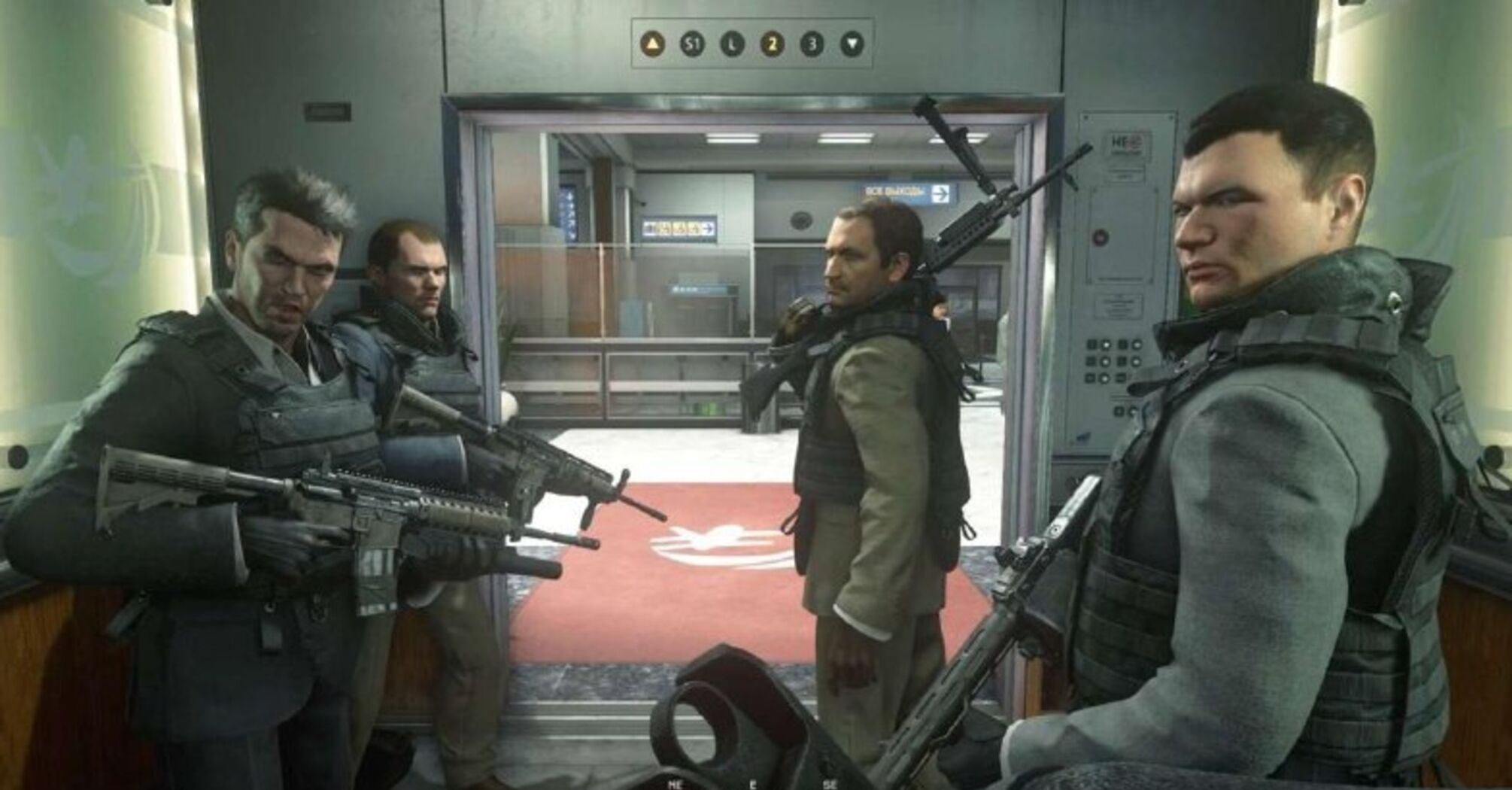
Russia has once again turned its attention to the video game industry, this time focusing on the famous Call of Duty shooter series, particularly Modern Warfare and its remasters, which are now under criticism. State Duma deputies have demanded that Roskomnadzor conduct an official check of the game for the presence of “Russophobic content” and possible “information threats”.
The initiative was expressed by the deputy chairman of the economic policy committee, who requested that Roskomnadzor provide a legal assessment of the game’s content. He claims that Call of Duty demonstrates a negative attitude towards Russia and its armed forces.
The deputies expressed indignation at the missions in the game, where Russian players are forced to complete tasks in which they shoot at their own soldiers or fight against forces associated with the Russian army. They were agitated that the positive characters, as a rule, are Russians who cooperate with Western intelligence agencies or are critical of the Russian government.
MP Mikhail Delyagin commented that such a gaming experience is “unpleasant” for Russians and looks like “masochism. He believes that this not only humiliates Russian players but also creates a negative image of the country among young people.
Other parliamentarians also agree that popular games have become a tool of information warfare. They believe that “hostile narratives” about Russia are being transmitted through the gameplay, storylines, and dialogues. As an example, phrases such as “Remember, boy: not a word in Russian” that sound in the game are given.
Similar accusations have previously been made against other Western games and films. Calls are increasingly being made in Russia to create “patriotic” alternatives in culture and media, as well as to restrict content that, according to the authorities, “discredits” the country.
Additionally, pressure on property owners is increasing in the temporarily occupied Ukrainian territories. The Russian authorities have passed a law allowing the mass confiscation of housing formally recognized as “ownerless,” creating conditions for its redistribution in favor of new residents loyal to the occupiers.