Utility payments at high prices: how Ukrainians can get installments
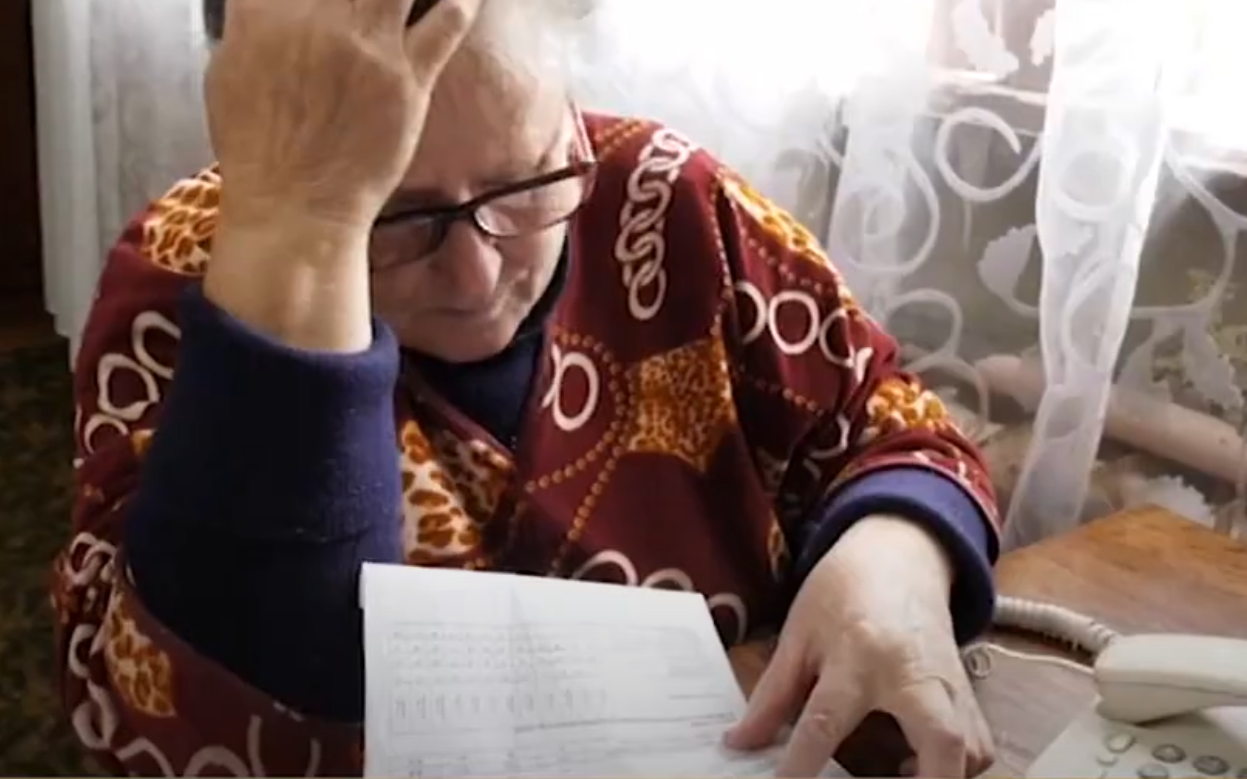
In Ukraine, paying utility bills has become a significant financial burden for many families due to the war, job losses, and reduced income. Many households are facing debts for electricity, gas, water, and heating. However, there are legal ways to restructure these debts that may be useful to consumers.
According to the law firm “Bachinsky and Partners”, each consumer can discuss with the utility provider the possibility of changing the terms of repayment of the debt. The initiator of such an appeal can be either the debtor or, for example, the head of the condominium association or the building manager.
Debt restructuring allows both parties to reduce the financial burden. This may include reducing monthly payments, extending the repayment period, or changing the interest rate. Additionally, if necessary, payment deferrals or partial debt write-offs may be offered. This approach helps to avoid significant financial pressure and resolve the issue without the need for litigation.
It is worth remembering that restructuring is carried out separately for each service. For example, if it is an electricity debt, after agreement with the supplier, an individual schedule of debt repayment and accruals for previous periods is formed.
In the case of heating debts, it is essential to determine with which legal entity the contract was concluded – the heating company provides this information. Regarding gas debts, the restructuring conditions are usually discussed individually with the supplier. If there is a water supply debt, contact the company’s contact center, as approaches to working with debtors may vary.
To complete the restructuring, you must submit a written application that includes your personal data, contract number, total debt amount, reasons for non-fulfillment of obligations, and repayment proposals. After applying, wait for an official response from the service provider, and if an agreement is reached, conclude an appropriate deal.
Interestingly, there is also a risk of account blocking and property seizure if utility bills are not paid. It was previously reported that Ukrainians can become victims of schemes in which they are “hung” with other people’s utility bills, so it is worth being careful and knowing how to protect yourself from such situations.