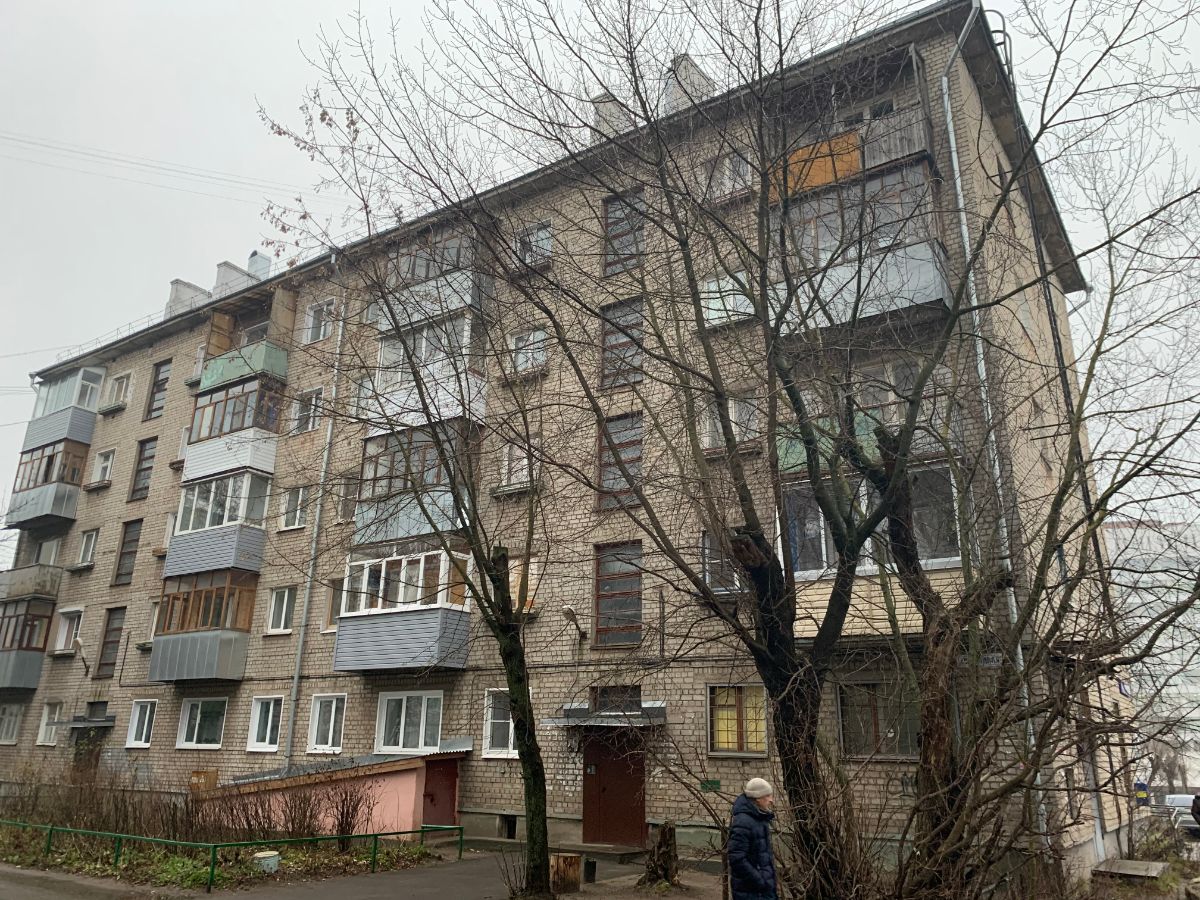
In Ukraine, they decided not to demolish old houses: what will happen to Khrushchev houses?
The problem of outdated housing stock remains a pressing issue in Ukraine. Even before the start of the full-scale war, there were about 10 thousand houses in the country, built mainly in the 1950s and 1960s. Many of them are in poor condition, but the mass demolition of such residential buildings is not planned in the near future.
The head of the parliamentary Committee on the Organization of State Power and Urban Development, Olena Shulyak, noted that both Ukrainian and European experts agreed that demolishing old buildings and then developing the site is the most expensive and not consistently effective approach. Such a strategy requires significant financial investments in dismantling structures, recycling construction waste, installing new engineering systems, and restoring social infrastructure.
According to experts, a more reasonable option is to undertake large-scale housing renovations only when they are technically and economically feasible. As Shulyak explained, this involves a comprehensive modernization of buildings, which may include strengthening load-bearing structures, replacing worn-out engineering networks, thermal modernization, facade insulation, apartment redevelopment, and the creation of modern public spaces.
Such a strategy, provided that the building is in proper technical condition, can significantly extend its service life by dozens of years. As a result, residents receive real benefits in the form of reduced heating costs and improved quality of life without the need to move into new apartments.
Olena Shulyak also drew attention to international experience, which provides for financial compensation mechanisms for those residents who do not want to leave their homes in favor of new buildings. However, implementing such tools in Ukraine requires detailed legislative regulation.
At the same time, demolishing old buildings should not be ruled out entirely. As the MP emphasized, this may be a last resort when a technical inspection and energy audit confirm that the building poses a danger and that renovation will not yield the desired results.