Tips for weather addicts on preparing for the magnetic storm on January 7
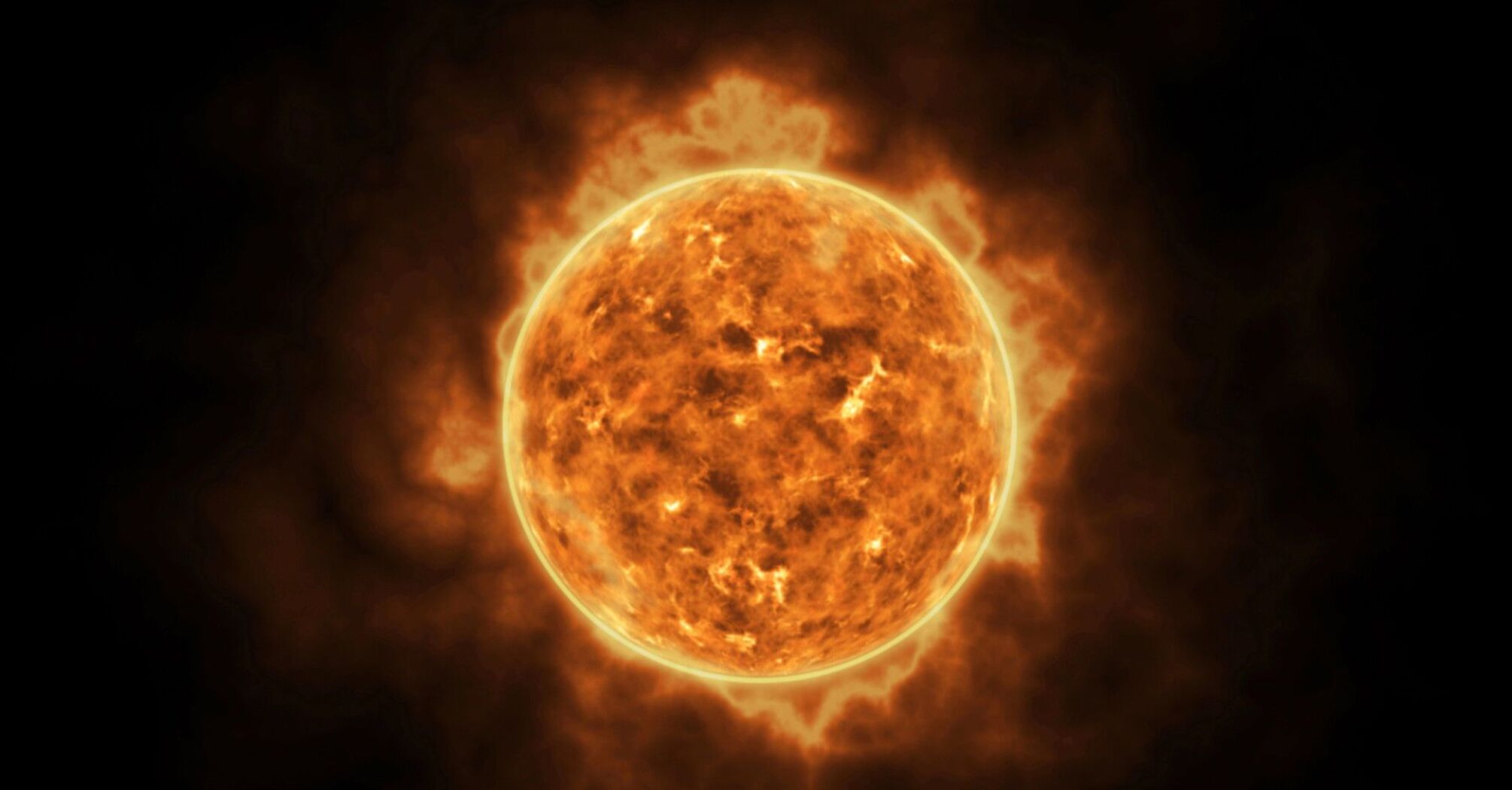
Magnetic storms are natural phenomena that occur due to changes in the Sun’s activity and affect Earth’s magnetic field. The intensity of these storms can vary, and their impact on people’s well-being depends on this. The forecast for January 7, 2026, indicates increased geomagnetic activity, which may trigger a weak or moderate magnetic storm.
According to forecasts, the magnetic storm on this date will be of class G1–G2. It will be caused by a coronal mass ejection (CME) from the Sun, which will reach the magnetosphere of our planet. Usually, such phenomena do not pose serious problems for technology, but they can cause short-term fluctuations in the magnetic field. The peak of activity is likely to occur in the afternoon, so you should be careful when planning essential matters for this period.
The impact of magnetic storms on weather-dependent people
People who are dependent on weather conditions may experience discomfort during magnetic storms. These may include headache, dizziness, general weakness, sleep problems, and increased irritability. This is especially true for those with chronic cardiovascular diseases, so they should carefully monitor their well-being and avoid stressful situations.
Recommendations for preparing for a magnetic storm
Even if magnetic storms are not critical for most people, it is advisable to take some measures to maintain health during increased geomagnetic activity. Here are some valuable tips:
Monitor sleep quality, as insufficient rest can worsen fatigue.
Reduce physical and emotional stress to avoid overwork.
Maintain water balance by drinking enough fluids.
Limit caffeine and alcohol intake, as these substances can increase stress.
Take light walks in the fresh air to relieve tension.
Follow the medication regimen if you are undergoing treatment.
Magnetic activity: how is it measured?
To measure magnetic activity, indices are used to assess the level of disturbances in the Earth’s magnetic field. The most famous is the Kp index, which ranks geomagnetic oscillations on a scale from 0 to 9; values of 5 or higher indicate the onset of a magnetic storm.
In addition, the G scale is used, which distinguishes between levels of activity: G1 is a weak storm, and G5 is a powerful storm. Forecasts of magnetic storms are based on data from satellites and ground-based magnetometers, which allows scientists to predict these phenomena quite accurately.