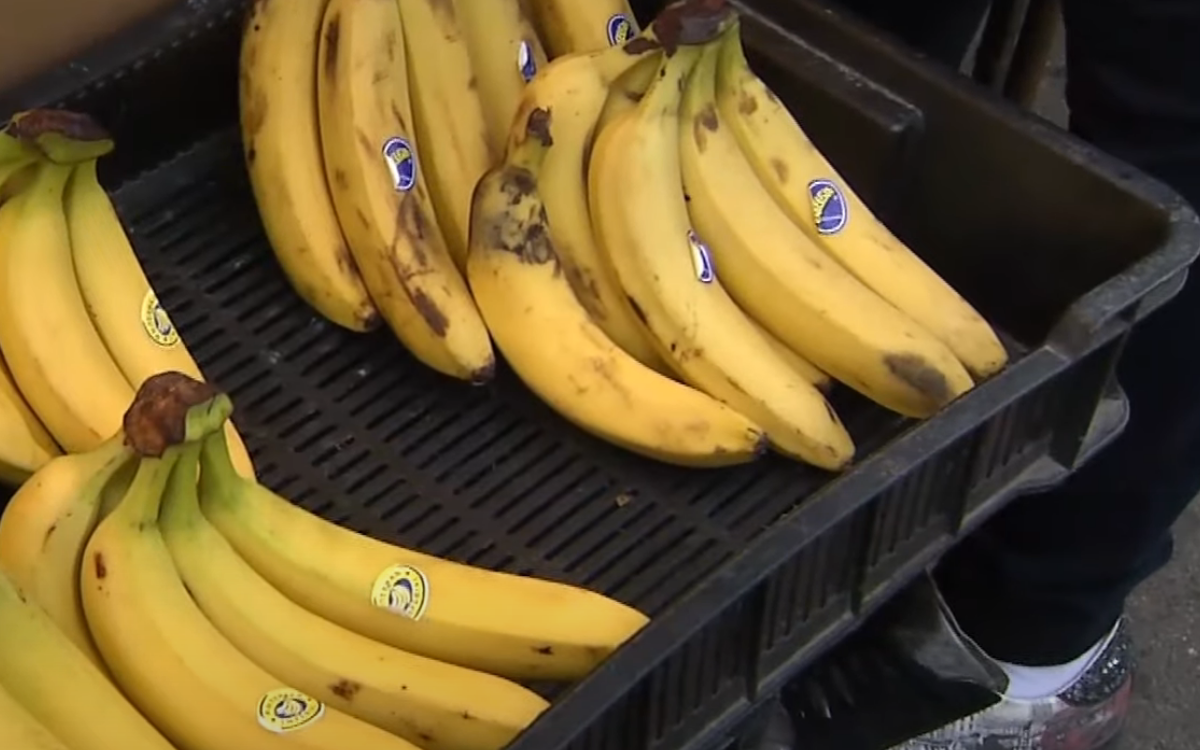
The meaning of stickers on bananas: hidden codes that most buyers overlook
Banana labels carry important information about these fruits, as confirmed by the “History on a Plate” channel.
These labels contain digital codes that help identify banana cultivation methods and their categories, allowing consumers to make informed choices. It is also worth noting that bananas have several unusual botanical characteristics and unique properties.
The meaning of the codes on the labels
Each label contains a PLU code consisting of four or five digits:
Four-digit codes starting with 3 or 4 indicate a traditional method of growing using mineral fertilizers and plant protection products. Such substances usually remain on the peel, which is not eaten.
A five-digit code starting with 9 indicates that the bananas are organic, grown without synthetic fertilizers or pesticides.
A code starting with 8 indicates a genetically modified product.
Botanical Characteristics of Bananas
From a scientific point of view, a banana is classified as a berry, not a fruit, similar to a watermelon. It is important to note that the banana plant is actually a giant herbaceous crop.
There are about 1,000 species of bananas worldwide, but only a small number are considered edible, making edible varieties important to the agricultural sector and international trade.
Safety of Bananas
Some sources claim that bananas may contain natural radioactive isotopes due to their high potassium content. However, the radiation level is extremely low and does not pose a threat to human health, even with regular consumption.
Nutritional value of bananas
Bananas are a nutritious product, with an energy value that exceeds that of potatoes by 1.5 times, and in the dried form, their calorie content increases by 5 times. In addition to being consumed fresh, bananas are used to produce flour and sauces, and their peel is used in the manufacture of natural soap and other household goods.