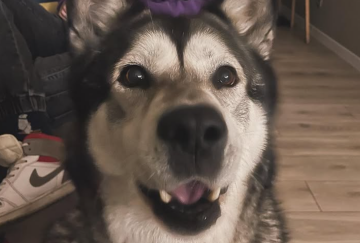
Determine your dog’s age without additional data: 5 signs you might have missed
Found a dog without documents and don’t know how to determine its age? Don’t worry: veterinarians assure you that the answers can be found by observing the appearance and behavior of the animal.
First of all, pay attention to the teeth. In puppies, they are white and sharp, while in adult dogs, they are yellow and show signs of wear. The presence of significant tartar may indicate that the dog is over five years old. In old dogs, the teeth may be loose or even fall out.
Next, pay attention to the eyes. In older dogs, slight signs of cloudiness of the lens may be observed. This is a normal aging process, and not a sign of illness. A young dog usually has a clear and active gaze, ready for adventure.
The third indicator is the quality of the coat. With age, it becomes coarser, and gray hairs appear on the muzzle. In some breeds, this can be noticed as early as five years old, in others – only closer to eight.
A dog’s activity level can also tell you a lot about its age. Puppies are constantly on the move, while adult dogs tend to be more laid-back, and older dogs tend to avoid sudden movements and excessive activity.
And last but not least, behavior. Puppies are often impulsive, adult dogs are more level-headed, and older dogs are more cautious and reserved.
Veterinarians note that none of these signs are definitive ways to determine a dog’s age. But by carefully observing your dog’s teeth, eyes, coat, activity level, and behavior, you can get a rough idea of their age and provide the proper care your pet needs.