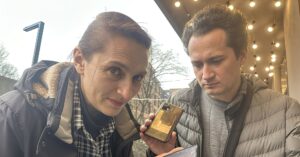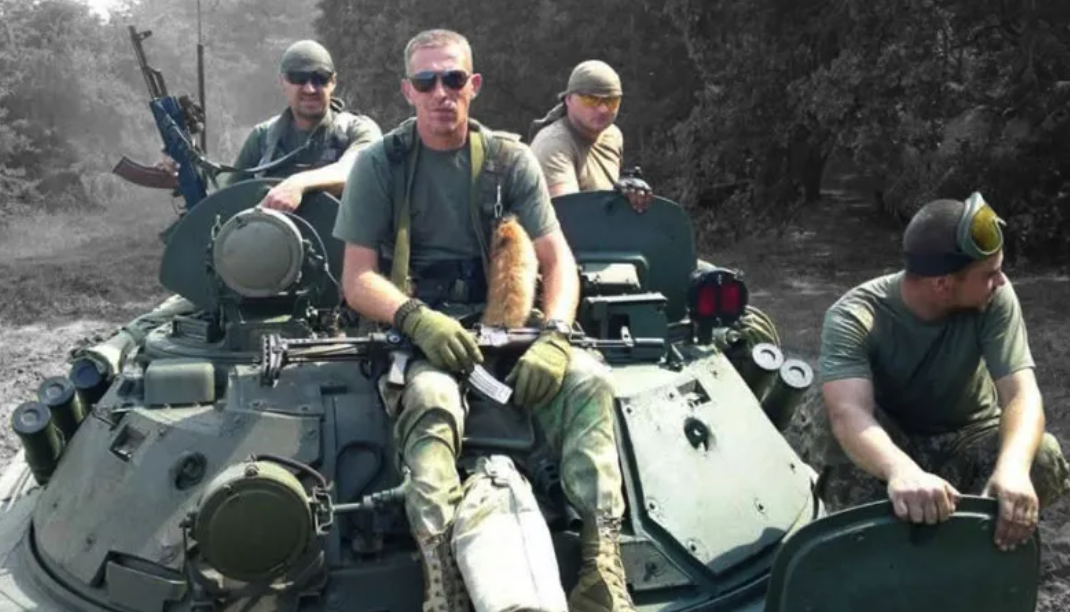
The head of the TCRSS expressed confidence that his son would not serve in the army: They just mobilized people without thinking
The Command of the Armed Forces of Ukraine has admitted that it suffered significant losses due to mistakes in assessing human resources during the hostilities, which, according to the military, did not make strategic sense.
Lieutenant Colonel Yuriy Kovaluk, who heads the Radyvyliv District Recruitment Center in the Rivne region, stated this in a recently published interview.
Kovalyuk emphasized that the army leadership inadequately estimated the number of reserves at the beginning of the full-scale war.
“I witnessed it myself. Many commanders led to the loss of entire battalions. Our human resources are much smaller than the enemy’s, and we were wasting people without any reason,” he said.
The lieutenant colonel participated in the defense of Bakhmut, which he called an example of tragic decision-making.
“I lost 24 fighters in Bakhmut in a month. 17 bodies remained on the battlefield because if I tried to take them away, 30 more would have died, and it would not have worked. 111 wounded, including me. I was the last commander in the brigade to take part in the shooting,” Kovaluk recalled.
He also spoke about a personal tragedy: his son-in-law went missing in Bakhmut. His daughter, a military officer, first served in intelligence and later moved to the territorial recruitment center. She has been waiting for her husband for two years, but, as Kovaluk notes, she still has hope because the status of “missing” is not a sentence.
In his opinion, the army does not reward but punishes for rescuing soldiers.
“If you have not suffered losses, you are fired; if you have, you receive a reward,” he emphasized bitterly.
According to Kovalyuk, he did not want to serve in a territorial recruitment center. It is hard for him to look into the eyes of the families of the victims. He feels guilty, even if he has nothing to do with their losses.
Today, at 57 years old and with health problems, he can no longer return to the front, but, trying on the role of a father, he categorically states that he will not send his 22-year-old son to the army.
“I know what is happening there. I understand everything from the inside. I will not send him there,” he said.
Kovalyuk noted that at the beginning of the war, volunteers were highly motivated, but most of them died. The new mobilization is not yielding the desired results: out of ten recruits, only one or two are ready to serve, while the rest either surrender during the first clashes or end up on the list of the dead.
According to him, the system needs urgent changes; otherwise, the army will be without soldiers, and the country will be without protection.