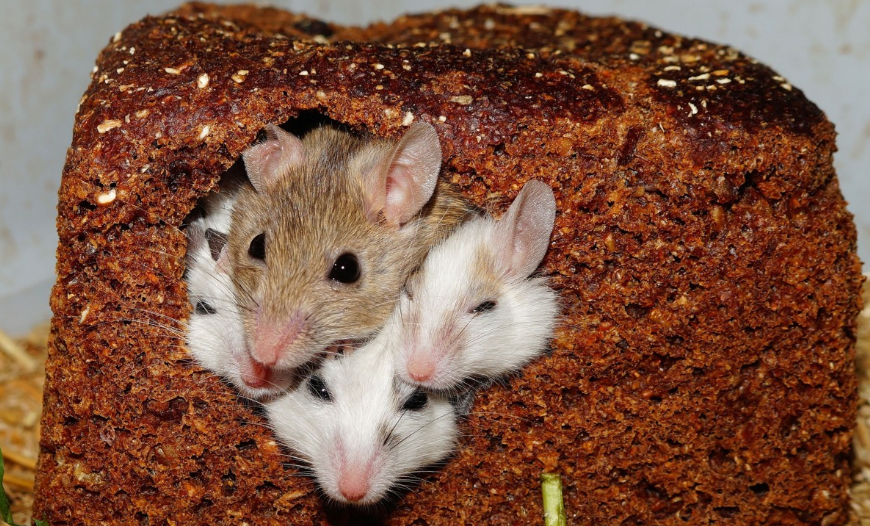
Mice will leave the house on their own: an effective method of controlling rodents without chemicals
How to protect your home from mice without using chemicals? Experts advise creating conditions that will repel rodents.
With the onset of the cold season, mice, rats, and even squirrels may try to find shelter in your home, which can lead to damage, including gnawing on wires or building nests.
The main factors that attract them are the availability of food, water, and safe shelter. If these factors are controlled, rodent control with poisonous agents will become unnecessary, says expert Paul Blackhurst of Rentokil. Although mice can find shelter in your garden, they prefer warmth and dryness, which is why they often try to get inside the house.
What measures should you take to prevent unwanted guests from interfering?
Trim low-hanging branches. If tree branches touch the roof, this can become a path for squirrels, who will easily get into your house. Blackhurst recommends pruning such branches and closing possible gaps with mesh.
Close doors and cracks. Keep utility room doors closed to reduce the risk of rodents entering the house. All cracks, even small ones, should be covered with mesh, because mice can crawl through openings as small as 6 mm.
Be careful with bird food. Bird feeders and bird food can attract mice and rats. Experts advise storing food in metal containers with tight lids and avoiding spills.
By controlling access to food and eliminating all gaps, you can reliably protect your home from unwanted “residents” without using poisons.
We will also remind you about methods of combating cockroaches and essential oils that can help with rodents and insects – a natural alternative for your home.