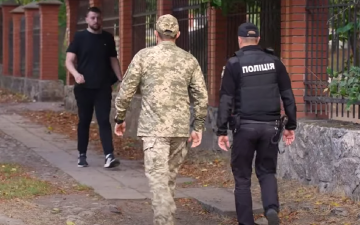
CCC reviews approaches: who will be caught on the streets for mobilization
In December, mobilization measures will intensify significantly in Ukraine, and changes in the tactics of territorial recruitment centers are already noticeable. Raids, roundups, and document checks in crowded places are becoming commonplace, and thousands of men are beginning to feel anxious about possible summonses that may be served in unexpected situations. The practice of searching for people who violated military registration or ignored calls is also being actively implemented.
This situation is unfolding against a backdrop of declining deferments and reservations. The state is reviewing existing rules, excluding categories that were previously considered untouchable from the list of protected persons. Mobilization may affect some students, employees of enterprises that have lost the status of critically important, as well as people with disabilities of the 3rd group, in the near future. Changes in legislation are aimed at increasing the reserve and closing the shortage of military personnel in key areas.
Since the beginning of December, the activities of territorial recruitment centers have reached a new level. Lawyers warn that checks can be carried out in any place – shopping malls, sports clubs, in the metro, at entrances, as well as at city entrances. Often, CCC employees work with law enforcement officers, particularly to find men wanted or who have not appeared for calls for years. These situations can end in conflicts and delivery to territorial centers.
Many men who are subject to mobilization believe that the CCC’s wanted list is automatically closed after three months, and they continue to live carefree. However, this belief is erroneous. As the military lawyer explains, the three-month period applies exclusively to administrative liability, but has nothing to do with the wanted list. If the case is not closed, a man can remain in the database for years, without even suspecting it.
The system for removing him from the wanted list is also quite complicated. Automatic procedures or submitting information through the “Reserve+” application do not work in this case. The only option is to apply with the TCC. However, in practice, recruitment centers often either do not respond or do not enter data into the databases. In such situations, it is possible to file a court action seeking to compel the TCC to remove the person from the wanted list and close the case.
Recall that in December, restrictions were introduced on the mobilization of several categories of men who do not fall under the TCC’s attention. Earlier, it was also reported that the TCC is being dragged into a civilian car: a lawyer explained when this could be legal. Changes were also made to the booking rules for those who will not be eligible for a deferral.