Epiphany without consequences: the main mistakes when swimming in a hole that threaten health on January 6
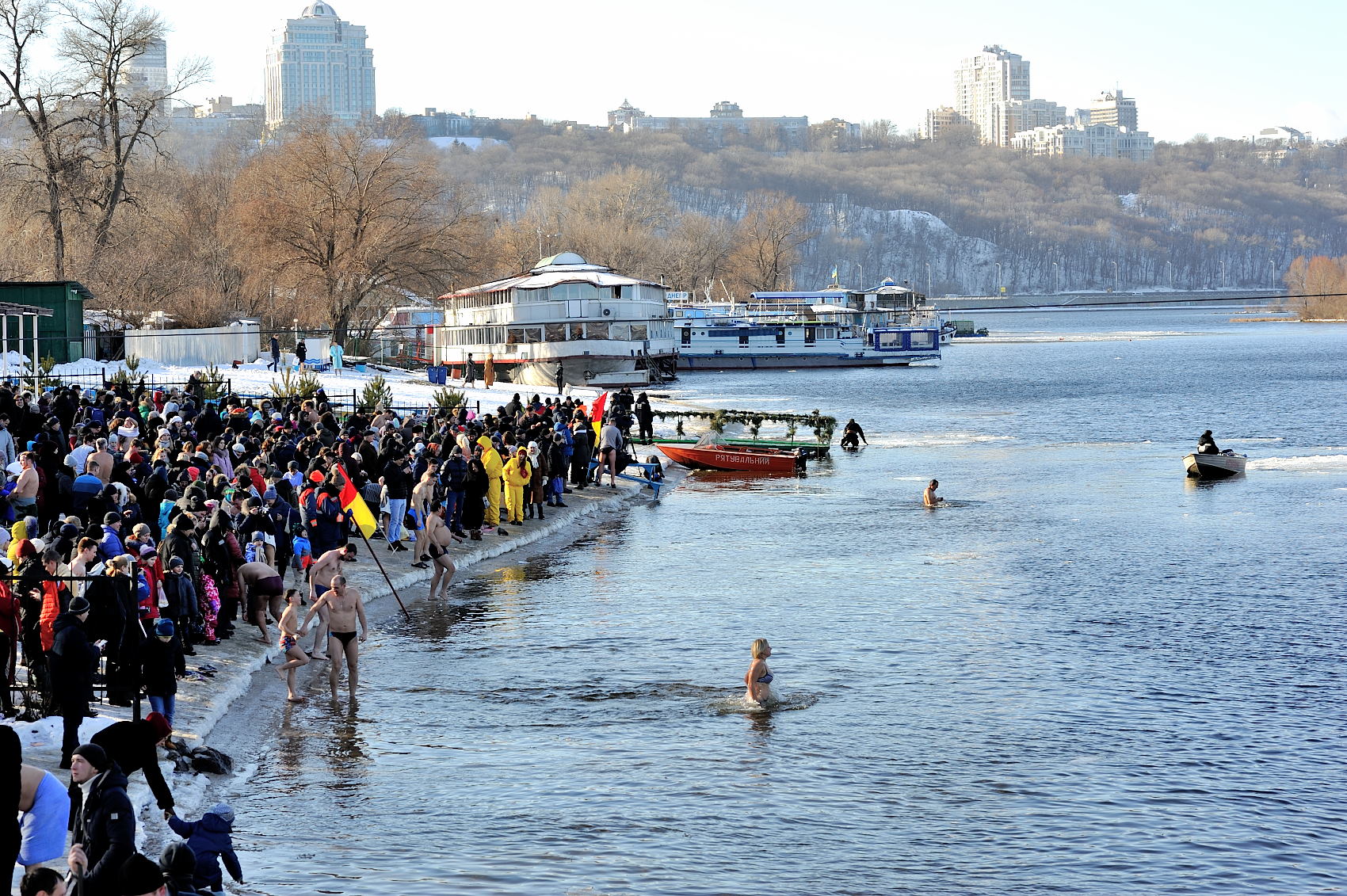
The Epiphany, celebrated on January 6, is approaching. This holiday encourages many people to visit the nearest springs for a cold water bath.
According to church traditions, this rite can help treat diseases and protect against them in the future. However, it is worth remembering that it is not as simple as it seems, so we suggest you familiarize yourself with the most common mistakes when swimming in a hole and how to avoid them.
Common mistakes when swimming in a hole
Do not dive into the water with your head.
If you decide to dive into a hole, it is better to do it completely. Partial immersion can lead to a sharp temperature difference between the head and the body, which, in turn, can cause problems with blood vessels.
Do not eat only diet foods.
In cold water, your body needs additional energy. Diet foods will not provide it in sufficient quantities. We recommend eating foods that provide energy, such as lard with bread, nuts, dried apricots, and raisins.
Do not splash yourself before diving.
Some believe this helps warm the body. It is more important to do a light warm-up. Splashing in the cold can damage small blood vessels.
Do not drink alcohol to feel brave or warm up.
Although it is often heard that alcohol can warm you up, drinking alcohol before swimming usually leads to hypothermia. Alcohol dilates blood vessels, creating the impression of warmth that quickly disappears, and the blood vessels do not have time to adapt to the changes.
Before going to the hole, do not forget to consult a doctor to find out whether this is allowed for you, taking your health into account. And, first of all, it is worth noting that children under 6 years old are not allowed to swim in cold water.
It is important to remember: while traditions can be very attractive, safety should always come first.