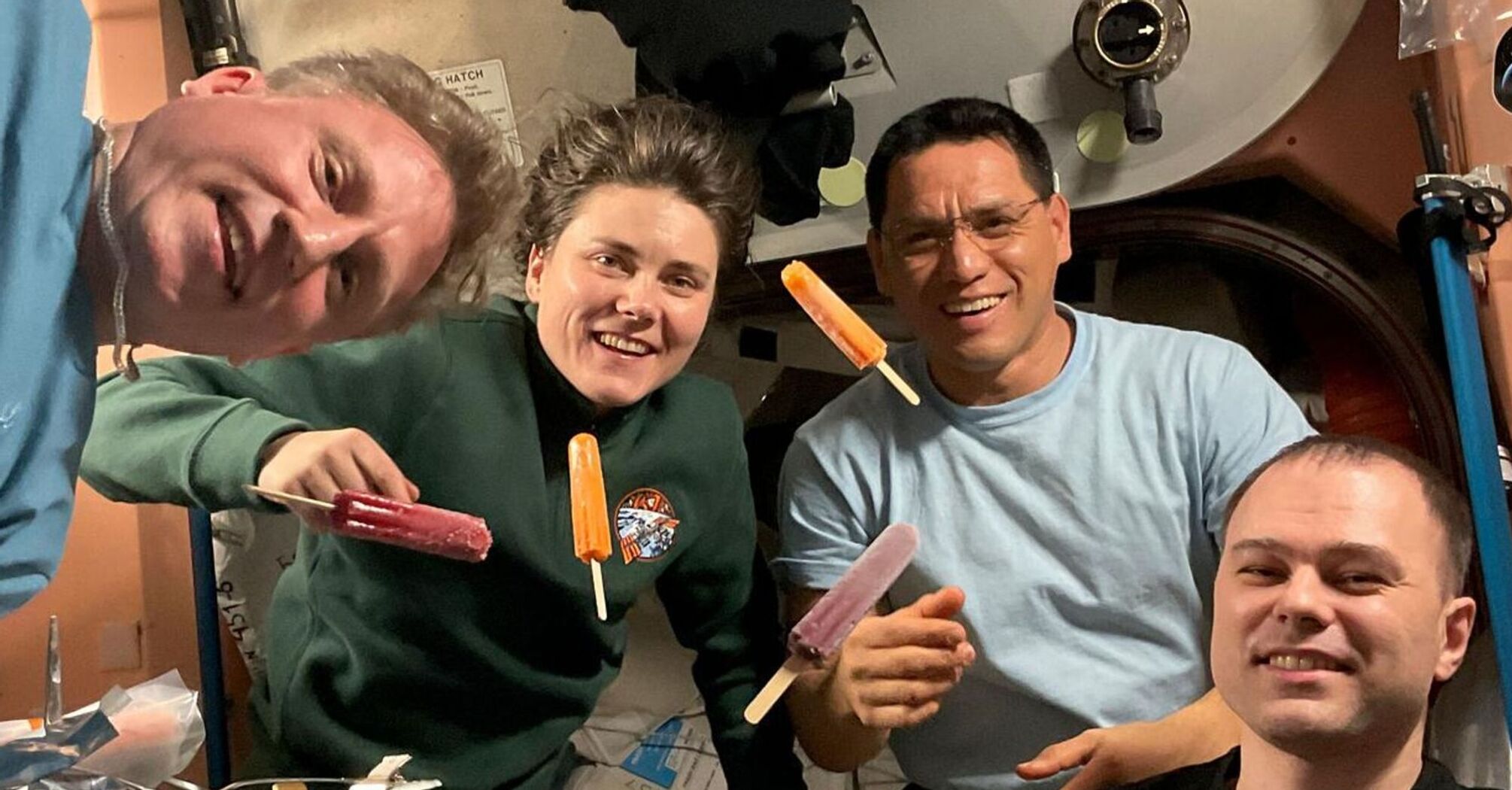
Astronomers of the future: successfully grown laboratory food in space
Providing astronauts with food in space is a challenging task for several reasons, including financial constraints. It costs at least 20,000 pounds to feed one person in space every day. Therefore, scientists are actively looking for new approaches, and some of them have already demonstrated positive results directly in orbit.
If humanity continues to explore space, the question arises of how to feed the crew without constant dependence on Earth. Fresh food spoils quickly, and every gram of cargo increases fuel costs, which complicates long missions, such as the planned flight to Mars.
The answer to these challenges has become research that proposes growing food in space. Recently, a team that includes scientists from Imperial College London successfully grew laboratory food in microgravity conditions.
The development is based on the technology of precision fermentation, which is used on Earth to produce bread, beer, and kimchi. In space, the process is being used to create functional proteins that can replace meat and dairy products. The microorganisms involved in this process are capable of withstanding harsh conditions, including microgravity, radiation, and extreme temperatures.
“This is the first step towards a future where we can produce everything for missions — from food to fuel — right on site,” says one of the researchers, Rodrigo Ledesma-Amaro.
The benefits of such technologies go beyond practicality. As Frontier Space Director Akil Shamsul notes, the ability to prepare a variety of dishes is an essential aspect of maintaining crew morale during prolonged isolation.
NASA is also actively testing traditional methods of growing vegetables. For example, the Veggie project is being implemented on the International Space Station, where astronauts grow lettuce, cabbage, and even flowers in special “pillows” with fertilizers to ensure optimal moisture and aeration in the absence of gravity.
However, today, the basis of the astronaut diet remains frozen and freeze-dried food, including powdered drinks and snacks. Some astronauts even take their favorite dishes with them; for instance, British astronaut Tim Peake was noted for his menu of gastronomic creations prepared by chef Heston Blumenthal.
However, such products eventually lack essential vitamins, which can lead to deficiencies during long flights. Therefore, scientists are actively working on developing new alternatives that will provide optimal nutrition without the need for frequent supplies from Earth.
Successful attempts to grow food in orbit are not just a scientific achievement but also a practical solution for future space expeditions. This opens up new horizons of autonomy, increased comfort for the crew, and reduced financial costs.
Soon, astronauts will be able to enjoy fermented steaks or fresh greens right on board a spacecraft heading to Mars.