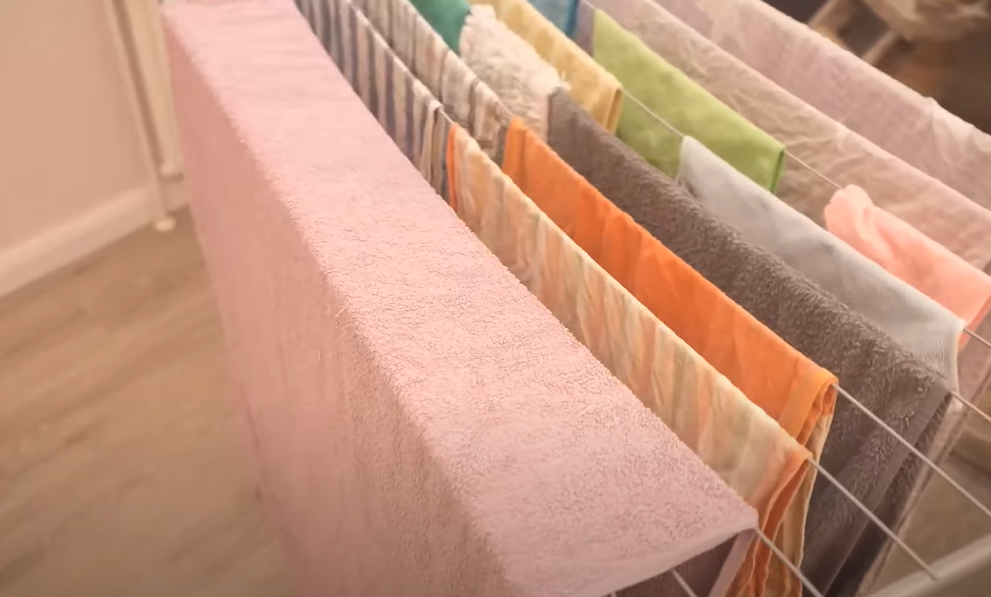
Ways to dry clothes without heating: effective and simple recommendations
December has brought with it colder weather, and it feels like winter is on its way. While gloomy days may tempt us to stay indoors, they also present challenges, including making indoor laundry drying a real challenge.
Many people try to save money by turning on their central heating as little as possible, or even doing without it altogether. As a result, moisture can remain on clothes for longer and, in some cases, even lead to mold and unpleasant odors.
So, what are the most effective methods for drying clothes without using a heater or a specialized dryer?
Experts emphasize the importance of ventilation and air circulation for drying clothes quickly and safely, without causing mold or mildew.
David Marquardt, a laundry technology expert, emphasizes that even in winter, it is worth opening windows to ventilate humid air and let in fresh air. This is not only a simple but also an economical way to avoid moisture build-up in the room. Regular airing for even a few minutes helps to reduce humidity levels.
Another vital aspect is choosing the optimal time to dry clothes. Engineer Stephen Day advises making the most of natural daylight, even in cold weather. Near a window where at least some sunlight falls, clothes will dry much faster. Creating air flow by opening windows also helps moisture evaporate faster.
Experts also recommend investing in a dehumidifier, which will help not only remove excess moisture but also prevent mold-related problems. Jonathan Kirby advises combining a dryer with a dehumidifier and correctly placing clothes in the dryer, leaving space for air circulation.
If buying a dehumidifier is not an option, the bathroom can be a good place to dry clothes. Keeping the door closed and the extractor fan running will help prevent condensation on the walls.
When it’s time to turn on the heating, experts warn about the dangers of drying clothes on radiators.
Expert Zoe Morris points out that hanging clothes on radiators prevents heat from spreading, forcing the boiler to work harder. This can lead to increased condensation and dampness, which, in turn, can lead to mould problems later.
Instead, it’s better to place the dryer near a radiator so it receives heat without obstructing the normal airflow.
In conclusion, by following the right drying methods, you can not only keep your home warm, but also reduce the likelihood of dampness and mould.